
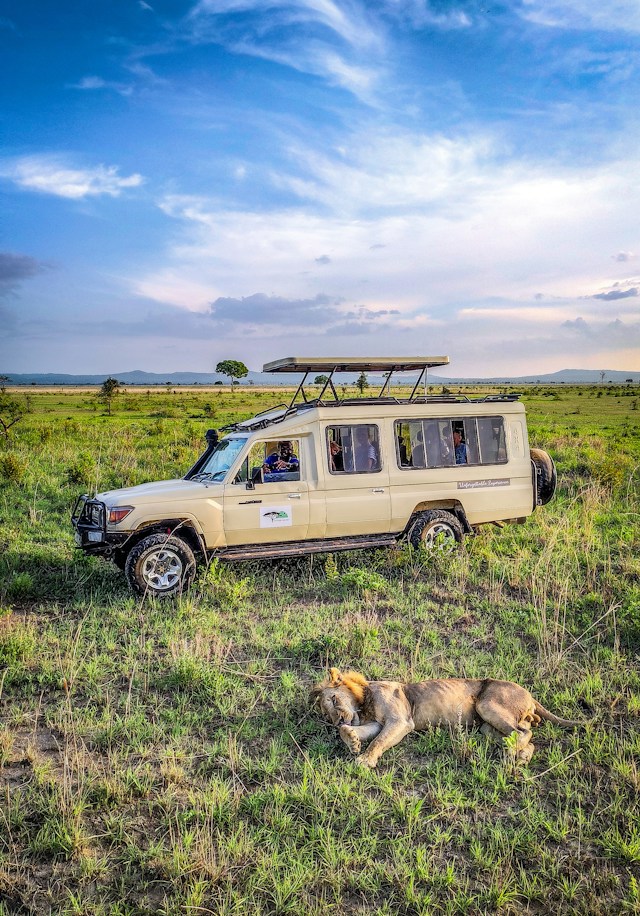
Tanzania Travel: What You Should Know Before You Book Anything
So you’ve been staring at photos of lions lounging on rocks, and now you can’t stop thinking about it. I get it. Tanzania does that to people.
But here’s the thing. Planning a trip there in late 2026 looks a little different than it did even a year ago. There’s a new entry fee nobody told your cousin about when she went in 2023. There’s a State Department advisory you should read with your own eyes. And the park fees? They’ll make your wallet flinch.
None of that is a reason to stay home. It’s just a reason to plan with clear eyes. So let me walk you through what’s true right now, what it costs, and where I think the hype is earned (and where it isn’t).
The paperwork part of Tanzania travel (boring, but it’ll save your trip)
Let’s get the dull stuff out of the way first, because this is where trips go sideways.
If you hold a US passport, you can’t buy the regular $50 single-entry tourist visa that most other nationalities get. Americans have to buy the multiple-entry visa, and it runs $100. You can apply through Tanzania’s official e-visa system before you leave or get it on arrival at the big airports. I’d do it ahead of time. People have reported slow processing, so don’t leave it for the week before your flight.
Now the new part. As of October 1, 2026, mainland Tanzania requires foreign visitors to buy a specific local travel insurance policy. It costs $44 and covers stays of up to 92 days. Zanzibar has had its own version of this rule since October 2024.
Do you have to pay twice if you’re doing a safari and then the beach? No. The insurer has confirmed that one policy covers both the mainland and Zanzibar. If you land on the mainland first, you buy it from the National Insurance Corporation, and that’s that.
And yes, you still have to buy it even if you already have a great policy from home. Annoying? A little. But it’s an entry requirement, not a suggestion.
Before you fly, have these sorted:
- A passport with at least six months of validity left and a couple of blank pages
- Your $100 multiple-entry visa (or the approval notice for it)
- Proof of the mandatory $44 inbound travel insurance
- A yellow fever certificate if you’re arriving from, or passing through, a country with yellow fever risk
- A chat with your doctor about malaria pills, since the CDC recommends them for Tanzania
One more odd one. Tanzania banned plastic carrier bags back in 2019, and the rule applies to visitors too. Leave the grocery-store bags at home. Ziploc-style bags for toiletries are generally fine.
Is it safe? An honest look
I’m not going to sugarcoat this, because you’d find out on your own anyway.
On October 31, 2025, the US State Department raised Tanzania from Level 2 to Level 3, which means “Reconsider Travel.” The reasons listed are unrest, crime, terrorism, and the targeting of gay and lesbian individuals. The change came after protests around the national election. As of fall 2026, that Level 3 rating is still in place.
What does that mean for a regular safari trip? Honestly, it depends on you. Plenty of Americans are still going, and most tourist time is spent in parks and lodges far from city demonstrations. But a Level 3 is a real warning, not fine print. Read the full advisory yourself. And call your travel insurer, because some policies get weird about covering trips to Level 3 countries.
LGBTQ travelers should take that part of the advisory seriously. Same-sex relations are illegal in Tanzania, and the State Department says people have been arrested and harassed.
A few plain habits go a long way:
- Skip walking around cities after dark; take a taxi your hotel arranges
- Stay away from protests and big political gatherings, even if they look calm
- Avoid long road trips at night, since road accidents are a real risk
- Sign up for the State Department’s STEP program so the embassy can reach you
- Keep your phone and camera out of sight in busy markets and bus stations
When Should You Actually Go?
Short answer: June through October is the classic window. It’s the dry season, the grass is short, and animals crowd around whatever water is left. Easy viewing. It’s also when everybody else shows up, and prices know it.
But the “bad” months aren’t so bad. Let me explain.
January and February are calving season in the southern Serengeti. Thousands of wildebeest calves are born in a matter of weeks, and predators follow. It’s dramatic, and it’s less crowded than July.
March through May is the long rainy season. Some camps close, roads turn to pudding, and rates drop a lot. If you’re flexible and don’t mind mud, it can be a bargain. If this is your one big trip, I’d pick another time.
| Months | What’s happening | Good to know |
|---|---|---|
| January – February | Calving season in the southern Serengeti | Green, warm, fewer crowds than summer |
| March – May | Long rains | Lowest prices; some camps close |
| June – October | Dry season; river crossings in the north around July to September | Peak prices; book far ahead |
| November – December | Short rains | Afternoon showers, green scenery, holiday price spike in late December |
By the way, Tanzania sits just south of the equator, so “winter” there doesn’t mean what it means in Minnesota. Days are warm most of the year. Early morning game drives, though? Bring a fleece. An open vehicle at 6 a.m. is chillier than you’d think.
Okay, So What’s This Going to Cost Me?
More than you want. Less than you fear, maybe. Tanzania isn’t a cheap safari country, and the main reason is park fees.
The fees are charged per person, per 24 hours, and they add up fast. Here’s what non-resident adults pay right now, with the 18% VAT included.
| Fee | Cost (USD) | How it’s charged |
|---|---|---|
| Serengeti National Park entry | $82.60 | Per adult, per 24 hours |
| Kilimanjaro National Park entry | $82.60 | Per adult, per day |
| Tarangire National Park entry | $59 | Per adult, per 24 hours |
| Lake Manyara National Park entry | $59 | Per adult, per 24 hours |
| Ngorongoro Crater descent | $295 | Per vehicle, each descent |
| Tourist visa (US citizens) | $100 | Per person, multiple entry |
| Mandatory travel insurance | $44 | Per adult, up to 92 days |
And that’s before lodging, a guide, a vehicle, and concession fees for sleeping inside a park. Most people book through a safari operator, and most quotes bundle the park fees in. Ask anyway. “Park fees included” can mean different things to different companies, so get the list in writing.
Park gates don’t take cash, either. It’s card or electronic payment only, which your operator usually handles.
Tipping is its own line item. Guides, camp staff, and Kilimanjaro porters all count on tips, and US dollars are welcome. Ask your operator what’s customary for your trip so you can bring the right amount in small, newer bills.
Where to Point Yourself Once You Land
Most first-timers do the northern circuit, and for good reason. You fly into Kilimanjaro International Airport, sleep in or near Arusha, and work your way west. There are no nonstop flights from the US, so figure on one connection through Europe, the Gulf, or another African hub. Tanzania is seven hours ahead of the East Coast during daylight saving time, and jet lag will have opinions.
The big names on that northern loop:
- Serengeti National Park, for the wildebeest migration and big cats on open plains
- Ngorongoro Crater, a collapsed volcano packed with wildlife, including rare black rhino
- Tarangire National Park, famous for elephant herds and fat old baobab trees
- Lake Manyara National Park, small and green, an easy half-day stop
- Mount Kilimanjaro, Africa’s tallest peak at 19,341 feet
A word on Kilimanjaro. People call it a “walk-up” mountain because you don’t need ropes or climbing skills. That’s true, and it’s also misleading. Altitude doesn’t care how many marathons you’ve run. Longer routes give your body more time to adjust, and they have better summit odds. Your guides will keep telling you “pole pole,” which is Swahili for “slowly, slowly.” Listen to them.
If crowds bug you, look south. Nyerere and Ruaha national parks get a fraction of the visitors. They’re harder to reach and usually mean small bush flights, but you might have a lion sighting all to yourself. Compare that with fifteen Land Cruisers circling one cheetah. Different trip.
And Then There’s Zanzibar
After a week of dust and 5:30 a.m. wake-up calls, the beach sounds pretty good, right? That’s why so many trips end on Zanzibar. It’s a short flight from Arusha or the Serengeti airstrips.
Stone Town is the old quarter, a maze of narrow lanes, carved wooden doors, and spice stalls. Give it a day or two. Then head for the coast. The north (Nungwi and Kendwa) has swimmable water all day. The east coast is gorgeous too, but the tide goes way out, so at low tide you’re looking at a long walk to deep water.
Zanzibar is mostly Muslim, so cover your shoulders and knees when you’re away from the beach. It’s not complicated. It’s just good manners, like taking your hat off at someone’s dinner table.
Little Things That Make the Trip Smoother
The currency is the Tanzanian shilling, but US dollars are widely accepted for tourist stuff. ATMs in cities take US bank cards. Out in the bush, not so much, so sort out your cash before you leave town.
Pack soft-sided bags. The small planes that hop between parks have tight luggage limits, often around 33 pounds, and hard suitcases don’t fit in the hold. Bring a plug adapter too. Tanzania mostly uses the British-style three-pin Type G outlet at 230 volts.
Wear neutral colors on safari. Dark blue and black attract tsetse flies in some areas, and their bite hurts. Not a myth, sadly.
And learn three words. “Jambo” is hello. “Asante” is thank you. “Karibu” is welcome, and you’ll hear it everywhere. People light up when you try.
Quick Answers to Questions People Keep Asking
Do US citizens need a visa for Tanzania?
Yes. Americans must get the multiple-entry tourist visa, which costs $100. You can apply online before your trip or get it on arrival at major airports.
Is the $44 travel insurance really mandatory?
Yes. Zanzibar has required it since October 2024, and mainland Tanzania started on October 1, 2026. One policy covers both, and your insurance from home doesn’t replace it.
What is the best month for a Tanzania safari?
June through October is the dry season and the easiest time to see wildlife. January and February are great for calving season in the southern Serengeti.
Is Tanzania safe for American tourists right now?
The State Department rates Tanzania Level 3, “Reconsider Travel,” because of unrest, crime, terrorism, and targeting of gay and lesbian individuals. Many tourists still visit without problems, but read the full advisory and decide for yourself.
Do I need a yellow fever shot?
Only if you’re arriving from a country with yellow fever risk, which can include a long layover in one. If you’re flying from the US through Europe or the Gulf, it generally isn’t required. Check with a travel clinic to be sure.
How many days do I need?
For the northern parks, plan on at least six or seven days on the ground. Add three or four more if you want beach time on Zanzibar.
Can I use US dollars in Tanzania?
For tours, lodges, and tips, yes. For small local purchases, shillings work better. Bring newer bills in good condition, since old or torn ones often get refused.
So, Is It Worth It?
Look, Tanzania asks a lot of you right now. The flights are long. The fees are steep. There’s a new insurance rule to deal with and a travel advisory you shouldn’t wave off.
But I’d be lying if I said the payoff wasn’t real. Watching a herd of elephants cross in front of your truck at sunrise is the kind of thing you’ll be telling people about at Thanksgiving for the next twenty years.
So do the homework. Read the advisory. Get the visa and the insurance sorted early, pick your season on purpose, and ask your operator hard questions about what’s included. Then go, if it feels right to you. And if it doesn’t feel right this year? The Serengeti isn’t going anywhere.


Leave a Reply