
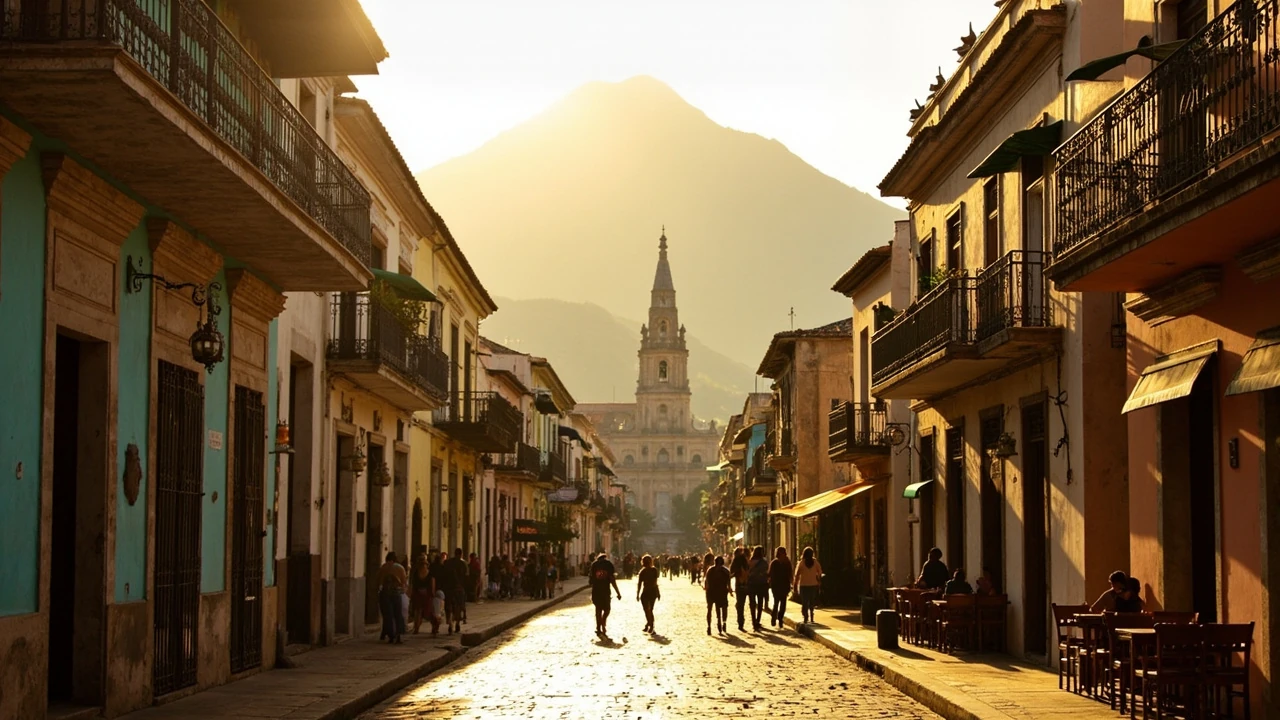
Capital Guatemala: essential facts for a confident visit
For travelers searching for capital guatemala, the destination is Guatemala City, the capital and largest city of Guatemala. Set in the country’s central highlands at roughly 1,500 meters above sea level, the city combines a historic center filled with colonial landmarks and modern districts packed with restaurants, museums, offices, and shopping. It is also the country’s main transport hub, so most first-time visitors spend at least part of their trip here before continuing to Antigua, Lake Atitlán, Tikal, or the highlands.
The city rewards travelers who plan around its geography. Historic monuments are concentrated near the Central Park and the National Palace, while Zona 10 has become one of the most popular bases for dining and nightlife. Road conditions, traffic, rain, and elevation can all affect how a day feels, but none make the city difficult to visit when schedules leave room for adjustment.
Most travelers use Guatemala City as a base rather than treating it as a destination that can be rushed through in a single day. Two nights provide enough time to see the principal landmarks, settle into a suitable neighborhood, and avoid arranging a long-distance departure immediately after an international flight.
| Travel detail | Useful planning fact |
|---|---|
| Official capital | Guatemala City, commonly called La Ciudad de Guatemala or simply Guatemala City |
| Location | Guatemala’s central highlands, surrounded by mountains and volcanoes |
| Elevation | Approximately 1,500 meters, or 5,000 feet, above sea level |
| Main airport | La Aurora International Airport, located within the urban area |
| Main language | Spanish; several Indigenous languages are also spoken across the country |
| Currency | Guatemalan quetzal, identified by the code GTQ |
| Time zone | Central Standard Time, UTC-6, with no daylight-saving adjustment |
| Best first visit | Two or more nights with time for the historic center and a familiarization day |
One useful distinction is worth making early. Guatemala’s capital is a city, while “capital” can also refer to a national capital letter, a capital city, or the legal concept of capital punishment. This guide focuses on travel to Guatemala City. For the separate legal meaning, see the section later in the article.
How to plan a trip to Guatemala City
A good itinerary balances the city’s major sights with enough time to adjust to the altitude, traffic, and weather. A first visit of two to four nights works well for travelers who want to continue around Guatemala. Those with only one night can still reach the historic center, but it is better to choose a small number of priorities rather than trying to see every museum, market, and viewpoint.
Begin by deciding what your visit needs to accomplish. Guatemala City is useful as an arrival and departure point, a base for history and museums, and a place with a strong food and nightlife scene. It can also serve as a gateway to highland destinations, although road conditions mean that a later transfer is often less stressful than a same-day connection after a long flight.
A practical planning checklist
- Check the latest entry information. Confirm passport, visa, and entry requirements through official government or consular sources before booking.
- Arrange the first night in advance. A hotel near Zona 10 or a central area such as Zona 1 gives convenient access to restaurants and transport.
- Leave room after arrival. Long flights, road transfers, and the city’s elevation can make a tightly scheduled first day tiring.
- Choose a departure time realistically. Airport traffic can vary substantially, and a domestic flight should not be treated like a long international connection.
- Prepare for rain or sun. Guatemala City is usable year-round, but the daily forecast matters more than the season label.
- Carry small local currency. It can be useful for small shops, local transit, tips, and places that do not accept cards.
Travelers who build multi-country routes often find it useful to compare entry requirements and transport plans across destinations. The practical structure in this Tanzania travel guide illustrates how a destination overview can be evaluated for logistics, timing, and regional connections rather than scenery alone.
The best time to book accommodation depends on whether your dates coincide with a major holiday, religious celebration, school break, or a popular event in Antigua or elsewhere in the country. Even when central hotel rooms are limited, the broader city has many accommodation options. Compare a central base with Zona 10 and Zona 15 rather than assuming one district suits every visitor.
Seasonal weather also shapes the itinerary. The city’s drier periods often feel especially clear and pleasant, while the rainy season brings afternoon downpours, wet pavement, and occasional disruption to road travel. Rain rarely cancels an entire sightseeing day, but carrying a compact umbrella and waterproof layer makes moving between districts more comfortable.
Allowing a free half-day is useful if the trip includes Antigua, Lake Atitlán, or a highland hike. Unexpected rain can lengthen a road journey, and a delayed transfer may turn an ambitious connection into a rushed one. A night in the city provides flexibility without sacrificing sightseeing time.
Getting to Guatemala City and moving around
Guatemala City has two major visitor gateways. La Aurora International Airport serves domestic and international flights, while long-distance road services arrive at the city’s bus terminals. The route chosen for reaching the capital affects both the transfer time and the first day’s comfort.
From La Aurora, a hotel transfer, official airport taxi, or app-based ride may be more convenient than negotiating a long-distance bus immediately after a flight. Traffic and road conditions affect the journey, so allow a generous buffer before an international departure. At the same time, airport prices are not automatically the best choice for every budget. Ask the hotel what it recommends and what the expected ride should cost.
| Travel option | Best for | Main consideration |
|---|---|---|
| Airport or hotel transfer | Arrivals with luggage, families, or a late flight | Price and route should be confirmed before departure |
| App-based ride | Direct travel to a known hotel address | Availability and pickup locations can vary |
| Shared shuttle | Travelers continuing to Antigua or another highland destination | Schedules may be tied to a shared departure window |
| Public bus | Lower-cost regional travel with local stops | Can be crowded, slow, and difficult with large luggage |
| Local taxi | Short trips between districts or restaurants | Agree on the fare or meter arrangement before leaving |
Antigua is approximately 45 kilometers from the capital, but the drive can take noticeably longer during busy periods. A shared shuttle can be economical and practical. A private transfer costs more but offers a door-to-door option, which is valuable for travelers with children, mobility needs, or several pieces of luggage. Chicken buses, which are color-coded local buses, run more frequently but are better suited to travelers who are comfortable with crowded vehicles and uncertain schedules.
Within Guatemala City, walking is pleasant in several compact districts but less convenient across the wider metropolitan area. Traffic can turn a short map distance into a prolonged drive. Use a taxi, shuttle, or organized tour for museums and attractions outside the pedestrian core. If your hotel is in Zona 10 or Zona 15, eating and nightlife may require a car even when the central landmarks are only a few kilometers away.
Transfer questions worth asking
- Will the driver meet me inside the terminal or at a designated pickup point?
- Is the quoted price for the entire vehicle or for each passenger?
- What route will the driver use, and is there any road closure or construction to consider?
- Can the vehicle accommodate my luggage?
- What payment method is accepted?
- How early should I leave for a domestic or international flight?
For longer-distance travel, keep your passport, medication, valuables, and at least one change of clothing accessible rather than packed deep inside a large suitcase. Road travel in Guatemala can involve sudden stops, winding roads, and boarding at crowded terminals. A small day bag makes those transitions easier.
A first-day itinerary through the historic center
Start early in central Guatemala City while the streets are relatively calm. The Central Park, or Plaza de Armas, is the historic center’s main reference point. The National Palace, Metropolitan Cathedral, and other important colonial-era buildings are close by, making it possible to cover several landmarks without repeatedly crossing the city.
The National Palace is a major stop because it occupies a prominent place in Guatemala’s political history and contains works associated with the country’s development as an independent state. Opening arrangements and access to particular rooms can change, so check current information before relying on a specific interior space.
Across from the palace is the Metropolitan Cathedral. Visitors can look at the exterior and interior details, while the surrounding plaza provides space to pause, observe the city, and watch people going about ordinary routines. Nearby are banks, restaurants, souvenir stalls, and the edge of a denser commercial district.
The National Museum of Archaeology and Ethnology is a strong addition for travelers interested in pre-Columbian cultures and the many Indigenous peoples of Guatemala. It is one of the city’s most useful museums, although a focused visit works better than an attempt to see every display at once.
For a manageable first day, follow this sequence:
- Begin with the National Palace and Central Park in the morning.
- Walk to the Metropolitan Cathedral and nearby historic buildings.
- Choose the National Museum of Archaeology and Ethnology or another central museum.
- Have lunch in a central neighborhood or travel to Zona 10.
- Return to the historic center late in the day for the National Theatre or another nearby attraction.
- Finish with a short neighborhood walk before dinner.
This route can be completed in one full day, but it becomes more pleasant when the museum is the main indoor activity and the rest of the schedule includes breaks. Afternoon rain can affect outdoor timing, so travelers who want to follow a fixed sequence should check the forecast and place flexible stops accordingly.
The National Theatre offers a more formal cultural stop and can be paired with a walk around the surrounding historic district. Admission, performance schedules, and access vary, so visitors should verify current arrangements rather than assume a particular show or room will be available. A viewpoint near the city can also provide a broad overview of the surrounding mountains, though visibility depends on weather and haze.
Evening in Zona 10 is a common choice for dinner because the district has a concentrated mix of restaurants, cafés, bars, and hotels. Eat at an established restaurant, review the menu and total bill before ordering, and keep valuables out of sight in crowded outdoor areas. The historic center and Zona 10 offer different atmospheres, so splitting the day between them works well for many first-time visitors.
Choosing a neighborhood for your stay
The right base depends on priorities. A visitor who wants easy access to landmarks may prefer the historic center. A traveler who values restaurants, a walkable evening routine, and a wider selection of hotels may choose Zona 10. Families, longer stays, and travelers who value transport and airport access often look more closely at Zona 15 or other outlying districts.
| Area | Travel character | Who may prefer it |
|---|---|---|
| Zona 1 and the historic center | Landmarks, museums, markets, and colonial streets concentrated close together | First-time visitors, sightseeing-focused travelers, and people who want to walk to major sights |
| Zona 10 | Busy dining and nightlife district with many hotels and services | Couples, food-focused travelers, and visitors who want many restaurants within a short walk |
| Zona 15 | Residential and commercial area with broader access to transport and modern services | Families, business travelers, and anyone preferring a quieter base near major routes |
| Zona 4 | Mix of residential streets, restaurants, and local commercial activity | Travelers seeking a balance between central access and neighborhood dining |
| Aurora area | Close to the airport and connected to several parts of the city | Travelers with early flights who want a short airport transfer |
Distance alone can be misleading. A hotel may look close on a map, yet a divided highway, rail line, or congested intersection can make the journey inconvenient. Review the surrounding road, not only the distance from the airport or landmarks. Ask the hotel whether the street is quiet at night and whether taxis can stop safely outside.
Noise is another consideration. Central rooms can be lively because of nearby streets, entertainment, and transit. A room facing an internal courtyard may be calmer than one facing a main road. Travelers sensitive to noise should request specific room details rather than relying only on the neighborhood name.
Longer stays benefit from a neighborhood with grocery stores, laundry services, cafés, and a more residential rhythm. Short visits can prioritize convenience. The most convenient option is not always the best value if every journey crosses the city’s busiest traffic corridors.
Some travelers use Guatemala City as a stopover and move on after one night. If the next destination requires a long road transfer, staying near the appropriate departure terminal can reduce the morning burden. If the next leg is a flight, the airport area may be more useful than a nightlife district. Location should therefore be chosen in relation to departure logistics, not only attractions.
Staying safe and responsible while visiting Guatemala City
Most visitors can have a well-managed trip with ordinary urban awareness. The main concerns in the capital include opportunistic theft, traffic, petty crime around crowded tourist areas, drink-related risks, and occasional disruption caused by protests, road works, or heavy rain. Risk varies by neighborhood, time of day, and circumstances, so the sensible approach is to remain attentive rather than avoid the city.
Keep passports and excess cash secured. Carry only the money and cards needed for the day, use a cross-body bag that is difficult to pull away quickly, and place valuables in a hotel safe when they are not required. Phone theft can happen when a device is left beside a restaurant table or held loosely near a crowded street. A photocopy or secure digital record of your passport can speed up replacement if the original is lost.
Simple precautions that make a difference
- Use established, well-reviewed restaurants and venues rather than accepting persistent street invitations without checking prices.
- Keep drinks in sight and ask the establishment about the bill if a drink seems unusually expensive or its provenance is unclear.
- Agree on a taxi fare or confirm that the meter will be used before the trip begins.
- Walk in well-lit, populated areas and avoid isolated shortcuts, especially late at night.
- Pay attention to changing street conditions and construction barriers, which can force pedestrians into traffic.
- Monitor official travel advisories and local weather information, but interpret them for the specific areas and routes you plan to use.
- Carry a basic first-aid kit and any prescription medication in your day bag.
Visitors researching unfamiliar destinations can compare the questions they ask with this guide to travel safety in Morocco. The specific destination changes, but current advisories, neighborhood-level research, transport practices, and situational awareness remain useful parts of any safety review.
Traffic deserves particular attention. Motorcycles may pass close to pedestrians, and drivers may change lanes with limited warning. Cross roads in marked locations where possible, even when a shortcut appears easier. Seat belts are important on longer transfers, and travelers should choose reputable operators for trips into the highlands.
Heavy rain can affect drains, mountain roads, and informal walking routes. Avoid walking through moving water or visibly unstable ground. If a road journey continues toward Antigua, Lake Atitlán, or a volcano, check conditions rather than relying solely on the itinerary schedule.
Finally, do not treat ordinary city streets as a place to display wealth or ignore cultural norms. Modest dress is generally more appropriate at religious sites and conservative establishments. Ask before photographing ceremonies, vendors, security personnel, or people in public spaces. A brief explanation often produces a better interaction than an abrupt refusal or an assumption that consent is unnecessary.
Daily practicalities: money, food, weather, and communication
Guatemala’s currency is the quetzal, named after the national bird. US dollars are accepted in many tourism-facing businesses, but prices may be quoted in dollars and change may be returned in quetzals. Using local currency is generally preferable for short local journeys, small purchases, and tipping. Exchange rates vary by location, so compare the amount received rather than relying only on a quoted rate.
ATMs are widely available in central areas, hotels, and major commercial districts, but a traveler should check whether the home bank charges a foreign transaction fee or declines the operation. Keep a backup payment method in case an ATM is empty, out of service, or unfamiliar. Credit cards are common at better restaurants and hotels, while small street vendors and some local transport services expect cash.
| Task | Practical approach |
|---|---|
| Paying locally | Carry a mix of small quetzal notes and coins; ask for local currency when exchanging or spending dollars |
| Using an ATM | Choose a bank-operated or well-lit location, inspect the machine, and decline conversions that use a poor exchange rate |
| Buying a SIM card | Compare prepaid data and roaming options, confirm device compatibility, and keep the local number accessible offline |
| Staying connected | Download offline maps and arrange a backup contact method for airport transfers or tour operators |
| Handling laundry | Use a hotel service or a reputable local wash and dry before departure |
| Managing rain | Carry a compact umbrella, breathable clothing, and a waterproof layer in a day bag |
Spanish is the main language in Guatemala City. Many restaurant workers, drivers, hotel staff, and tour guides also speak some English, particularly in visitor-facing roles. A few useful phrases can make routine interactions easier.
- Hola: hello
- Gracias: thank you
- Por favor: please
- ¿Cuánto cuesta? how much does it cost?
- ¿Dónde está el baño? where is the bathroom?
- La cuenta, por favor: the bill, please
Tipping is customary in restaurants and for some guides or drivers, but the amount is not always added automatically. Check the bill before adding a tip and adjust it according to service. Local practices can vary, so being attentive to how a group handles the bill is more useful than applying a rigid formula everywhere.
The city’s altitude can make physical activity feel harder at first. Travelers arriving from sea level may notice that stairs, walking uphill, or carrying luggage requires more effort. Take the first day slowly, drink water, and avoid overexertion during the hottest hours. Plenty of restaurants and cafés provide familiar food, while regional dishes can introduce flavors very different from those found in the United States.
Travelers with dietary restrictions should communicate them clearly when booking a table or tour. Restaurant allergy practices may differ from those in North America, so travelers with severe allergies should carry appropriate medication and discuss the condition directly with staff rather than assuming ingredients can be removed on request.
What “capital” means when searching Guatemala information
Search results about Guatemala can mix the country’s capital city with its legal capital punishment. These subjects are unrelated, and confusing them can produce misleading summaries. The For additional context, Capital punishment in Guatemala page explains that the penalty remains in Guatemala’s military codes and was abolished for civilian offenses in 2017, with application described as limited to wartime circumstances. It also notes that Guatemala voted in favor of a United Nations moratorium on the death penalty on several occasions between 2007 and 2016.
That legal information should be kept separate from ordinary travel planning. Visitors researching a flight, hotel, landmark, or guide to Guatemala City are looking for Guatemala’s political capital, not information about criminal penalties. The distinction is especially important when reading search snippets that use the word “capital” in both a geographic and legal sense.
Responsible travel in Guatemala also involves choices beyond personal safety. Choosing locally owned restaurants and guides keeps more visitor spending within the community. Buying crafts directly from the maker is preferable to purchasing unmarked mass-produced souvenirs, and asking before photographing people protects their privacy. Reducing plastic use, carrying a refillable bottle, and avoiding wildlife products that harm local ecosystems are practical ways to lower the impact of a city visit.
Visitors who move beyond the capital also face specific conservation choices. In Antigua, staying within clearly marked visitor areas helps protect fragile buildings. Around Lake Atitlán, responsible operators should explain boat safety, waste handling, and community-based tourism rather than treating local residents as scenery. At archaeological sites such as Tikal, visitors should follow site rules and avoid climbing or touching protected structures.
A responsible visitor checklist
- Support locally owned lodging, restaurants, guides, and transport where practical.
- Ask before taking portraits of vendors, artisans, ceremonies, or residents.
- Carry a refillable bottle and reduce unnecessary plastic packaging.
- Follow archaeological, wildlife, and community rules even when enforcement is limited.
- Choose operators who explain how local communities benefit from the activity.
- Report serious safety or service problems to the relevant hotel, operator, or local authority.
Those choices have a greater effect when paired with realistic time plans. Spending several hours in the capital at one well-run museum or market often provides a better experience than racing through a checklist and leaving with no sense of how the city functions.
Frequently asked questions
What is the capital of Guatemala?
Guatemala City is the capital of Guatemala. It is also the country’s largest city and main center for government, business, museums, transport, and international flights. The city lies in the central highlands and is surrounded by mountains and volcanoes.
Is Guatemala City safe for tourists?
Guatemala City can be visited responsibly with normal urban precautions. Watch for opportunistic theft, use established transport, secure valuables, stay alert in crowded areas, and avoid isolated streets late at night. Conditions vary by district and circumstances, so review current official travel advice and local information before departure.
How many days should I spend in Guatemala City?
Two nights are enough for a basic first visit of the historic center, Zona 10, and the main museums. Three or four nights allow a slower pace, a rest day, and easier onward travel. One night is practical for a short stopover but offers limited time for major landmarks or a relaxed dinner schedule.
Is Zona 10 a good place to stay?
Zona 10 is convenient for travelers who want many restaurants, cafés, bars, and services close together. It is busier and more expensive than some residential districts, and it may not be the best choice for someone seeking a quiet room. Consider the hotel’s exact street, noise level, and taxi access before booking.
How do I get from Guatemala City to Antigua?
A shared shuttle is usually the simplest economical option, while a private transfer provides door-to-door service and greater flexibility. Public buses may run more frequently but can be crowded and slow, especially with large luggage. Leave time for traffic and road conditions, and avoid planning a same-day international departure immediately after the transfer.
What should I wear in Guatemala City?
Lightweight, breathable clothing works well during warmer parts of the day. Bring a layer for cool evenings because the city’s elevation can make temperatures feel mild or cool, especially after sunset. Pack a compact umbrella or rain jacket, comfortable walking shoes, and more formal or modest clothing for religious sites and upscale restaurants.
Can I use US dollars in Guatemala City?
Many hotels, restaurants, and tourism businesses accept US dollars, but local currency is preferable for everyday purchases, small businesses, taxis, and tips. If you pay in dollars, ask whether the business uses a specific exchange rate and whether change will be given in quetzales. Use an ATM or reputable exchange service rather than accepting an unfavorable street rate.
What does “capital Guatemala” mean?
When used in a travel context, “capital Guatemala” refers to Guatemala City, the country’s capital. In a legal context, “capital” may instead refer to capital punishment, a separate subject. Travelers should check the surrounding wording so they do not confuse the national capital city with legal information about penalties.
What should I arrange before leaving Guatemala City?
Confirm your passport and entry status, download offline maps, save transport details, and arrange airport or bus pickup. Keep your passport, medication, valuables, and a change of clothes accessible rather than buried in checked luggage. If the next leg is a flight, allow extra time for urban traffic and airport procedures.

Leave a Reply