
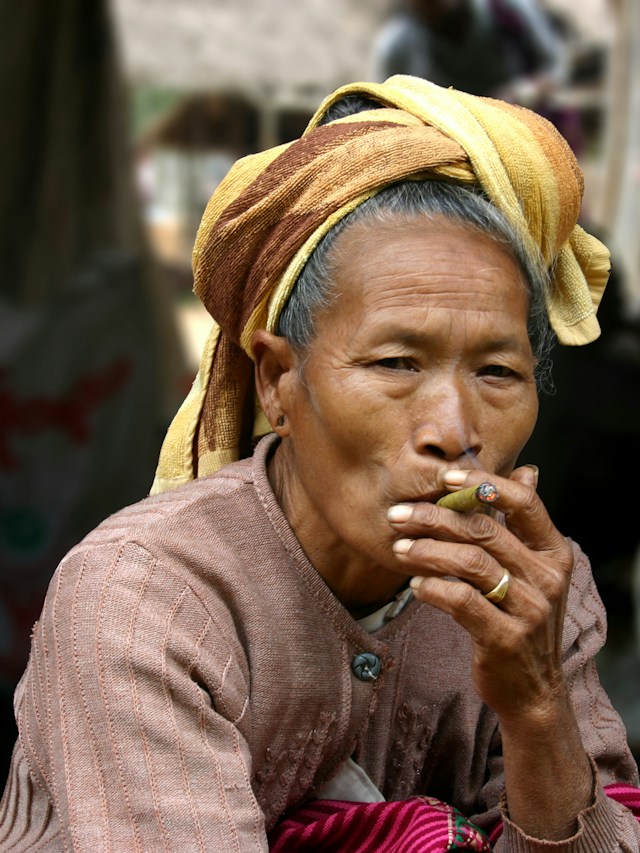
Myanmar People: Who They Really Are Beyond the Headlines
Ask most Americans about Myanmar and you’ll get a pause. Maybe a guess about Burma. Maybe something about the news.
That’s a shame, honestly. Because Myanmar people have one of the richest, most layered cultures in Southeast Asia, and most of us never hear about it.
So here’s what I found after spending real time on this. Myanmar people aren’t one group. They’re dozens of groups, with different languages, different foods, and different histories, all living in a country about the size of Texas.
And yes, the country has been through a lot. A military coup in February 2021. A civil war that’s still going. A 7.7 magnitude earthquake near Mandalay in March 2025 that killed more than 3,700 people. We’ll get to that. But the people are more than their hardest years, and that’s where I want to start.
Wait, Is It Burma or Myanmar?
Both, kind of. The military government changed the English name from Burma to Myanmar in 1989. The US government still officially says Burma. Most of the world says Myanmar.
What about the people? You’ll hear “Burmese” most often. But there’s a catch. “Burmese” can also mean just the Bamar, the largest ethnic group. So a Karen or Chin person may not love being called Burmese.
That’s why “Myanmar people” has caught on. It covers everybody, no matter their ethnicity. It’s a little clunky, sure. But it’s fair.
One Country, 135 Official Groups
Here’s the thing that surprises folks. The government officially recognizes 135 ethnic groups, sorted into eight big “national races.” Think of it less like a melting pot and more like a quilt, where every patch keeps its own pattern.
Population numbers are fuzzy, by the way. Estimates run from about 51 million to 55 million, depending on who’s counting and how much of the country they could reach. War makes a census hard.
The shares below are long-standing estimates, so treat them as ballpark figures and not gospel.
| Group | Rough share of population | Where most live |
|---|---|---|
| Bamar | About 68% | Central plains, Irrawaddy valley |
| Shan | About 9% | Shan State in the east |
| Karen (Kayin) | About 7% | Southeast, near Thailand |
| Rakhine | About 4% | Western coast |
| Mon | About 2% | Southern coast |
| Chin, Kachin, Kayah, and others | The rest | Mountain borderlands |
One group isn’t on the official list at all: the Rohingya, a mostly Muslim community from Rakhine State. They’ve been denied citizenship for decades, and hundreds of thousands fled to Bangladesh in 2017. You can’t talk about Myanmar people and skip that.
Faith, Family, and a Whole Lot of Giving
Buddhism shapes daily life here in a way that’s hard to miss. Gold pagodas sit on hilltops. Monks in dark red robes walk the streets at dawn with alms bowls. Most Buddhist boys spend a short stretch as novice monks, and families throw a big party for it called shinbyu.
| Religion | Share (2014 census) |
|---|---|
| Buddhist | 87.9% |
| Christian | 6.2% |
| Muslim | 4.3% |
| Animist | 0.8% |
| Hindu | 0.5% |
Christianity is strong among the Chin, Kachin, and Karen. So that 6% number hides whole regions where church is the center of town.
You know what really stands out, though? Generosity. Myanmar topped the World Giving Index several years running in the mid-2010s, beating out countries with far more money. Giving to monks, to neighbors, to strangers. It’s just what you do.
I keep coming back to that. A country with so little, giving so much.
How Myanmar People Name Their Kids (No Last Names!)
This one blows American minds. Traditionally, there are no family names. None. A dad named Aung Min might have a daughter named Thida Win and a son named Kyaw Zaw.
So how do names get picked? Often by the day of the week you were born. Each day links to certain letters, and astrology plays a part too.
Then come the honorifics, which work kind of like Mr. and Ms. but with more warmth and more attention to age:
- U (sounds like “oo”) for an older or respected man
- Daw for an older or respected woman
- Ko for a man around your own age
- Ma for a young woman or a peer
- Maung for a younger man or boy
So U Thant, the former UN Secretary-General, wasn’t Mr. U. His name was just Thant. Wild, right?
Filling out US paperwork with no last name is its own adventure. Ask anybody who’s helped a newly arrived family at the DMV.
What Myanmar People Eat, Wear, and Celebrate
Let’s talk food first, because I’m hungry just thinking about it.
Breakfast is mohinga, a fish noodle soup with lemongrass that people grab from street stalls before work. It’s the unofficial national dish. And then there’s tea leaf salad, called lahpet thoke. Yes, they eat tea. Fermented leaves, crunchy fried beans, garlic, peanuts, sesame. It’s sour, salty, nutty, and oddly addictive.
A few dishes worth hunting down at a Burmese restaurant near you:
- Mohinga, the fish noodle soup that starts the day
- Lahpet thoke, the famous tea leaf salad
- Shan noodles, rice noodles with chicken or pork in a light tomato sauce
- Ohn no khao swe, a creamy coconut chicken noodle soup
Now, clothes. Men and women both wear the longyi, a long wrap of cloth tied at the waist. It’s cool in the heat and looks sharp. And you’ll see pale yellow paste on cheeks everywhere. That’s thanaka, made from ground tree bark. It works as sunscreen, skincare, and makeup, all in one.
And the holidays? Thingyan is the big one. It’s the New Year water festival in mid-April, and the whole country turns into a giant water fight for days. UNESCO added it to its intangible cultural heritage list in 2024.
Since it’s October as I write this, Thadingyut is right around the corner. It’s the festival of lights at the end of Buddhist Lent. Homes glow with candles and lanterns, and young people pay respect to parents and teachers. Picture a quieter, warmer cousin of our holiday light season.
Quick tangent: there’s a sport called chinlone, played with a woven cane ball. Nobody wins. Players just keep the ball in the air with as much style as they can. A game with no scoreboard says something about a culture, doesn’t it?
The Hard Part: Living Through War and an Earthquake
I said earlier that Myanmar people are more than their hardest years. That’s true. But the hard years are real, and skipping them would be dishonest.
Since the 2021 coup, fighting between the military and resistance groups has spread across much of the country. The UN says more than 3 million people have been pushed from their homes. Teachers, doctors, and students walked off the job in protest. Many paid for it.
Then the ground shook. The March 2025 earthquake flattened buildings in Mandalay and Sagaing and was felt as far away as Bangkok.
And still, people showed up for each other. Neighbors dug through rubble by hand. Volunteers cooked for strangers. That giving streak I mentioned? It didn’t quit when things got bad. It got louder.
I won’t pretend to know how it all ends. Nobody does.
You Might Already Have Neighbors From Myanmar
Here’s what a lot of Americans don’t realize. More than 200,000 people of Burmese descent live in the United States, and many came as refugees over the past two decades.
They didn’t all land in New York or LA, either. Some of the biggest communities are in the Midwest:
- Fort Wayne, Indiana, home to one of the largest Burmese communities in the country
- Indianapolis, where the south side has so many Chin families that locals joke about “Chindianapolis”
- St. Paul, Minnesota, a major hub for Karen families
- Utica, New York, where refugees helped bring an old mill town back to life
So that new noodle shop in the strip mall? The family at your kid’s school? Could be folks from Myanmar. Say hi. Order the tea leaf salad.
Questions Folks Ask All the Time
What do you call someone from Myanmar?
“Burmese” is the most common word. Many prefer naming their ethnic group, like Karen, Chin, or Shan.
What language do they speak?
Burmese is the official language. But around 100 languages are spoken across the country.
Is Myanmar the same as Burma?
Yes. Same country. The name changed in English in 1989, though the US still officially uses Burma.
What is the main religion?
Buddhism. Close to 88% of the population identified as Buddhist in the 2014 census.
Why do people there wear yellow paste on their faces?
That’s thanaka. It’s ground tree bark used for sun protection and skincare.
Do they really have no last names?
Traditionally, no. Names are personal, not inherited, though some families abroad now pick a shared name.
Is it safe to visit right now?
The US State Department has kept its highest warning, “Do Not Travel,” in place because of the armed conflict. Check the current advisory before you plan anything.
So, What Sticks With You?
For me, it’s the mix. Myanmar people come from 135 official groups, speak around 100 languages, and still share a habit of giving that puts richer countries to shame.
They eat tea. They skip last names. They play a sport nobody wins. And they’ve kept going through a coup, a war, and an earthquake.
You don’t have to fly across the world to learn more. Find a Burmese restaurant. Go to a Thingyan event in your city next April. Talk to a neighbor.
That’s a pretty good place to start.

Leave a Reply