
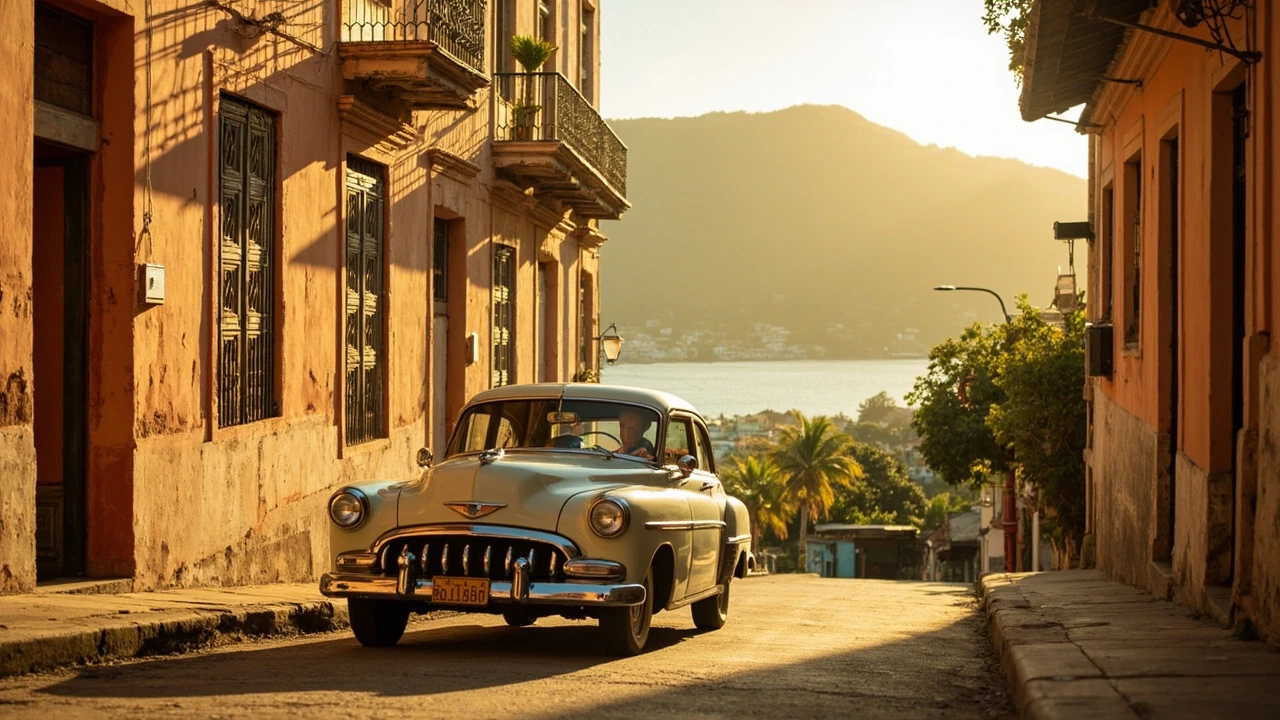
A first visit to Santiago de Cuba rewards travelers who understand the city as more than a stop between larger Cuban destinations. Its steep streets, Caribbean port, music traditions, revolutionary history, and surrounding mountain landscape shape nearly every practical decision, from choosing a base to deciding which neighborhoods deserve extra time.
Planning a visit to Santiago de Cuba starts with a simple choice: treat the city and its wider municipality as a destination in their own right. The historic center holds major cultural landmarks, while nearby places such as Daiquirí, El Cobre, and the Baconao region offer different landscapes and experiences. This guide explains how to organize that visit without relying on outdated transport schedules, invented prices, or assumptions that every visitor has the same priorities.
Santiago de Cuba: what makes the city worth planning around
Santiago de Cuba is Cuba’s second-largest city and the capital of Santiago de Cuba Province. It stands in the southeast of the island, roughly 870 kilometers from Havana, and opens onto a bay connected with the Caribbean Sea. The city developed between the waterfront and rising terrain, which explains the steep avenues and the changing views encountered as travelers move inland.
Its location gives the city a distinct identity. It is a working port, an administrative center, and a place where Afro-Cuban, Haitian, Spanish, and Caribbean influences overlap. The historic center includes churches, theaters, museums, balconies, and civic spaces associated with the city’s long role in Cuban history. Beyond the dense streets, the municipality reaches toward the Sierra Maestra and includes coastal communities with their own names, identities, and travel conditions.
That mix means the most useful itinerary is rarely a checklist of major sights alone. History enthusiasts may want the Castillo del Morro and San Pedro de la Roca, music lovers may prioritize theaters and live performance, and travelers interested in landscapes may prefer the coast or mountains. Families, independent travelers, and visitors with limited mobility need a different balance of walking, transfers, and time in the heat.
A detailed English-language overview of the city provides useful background on its location, population, history, culture, climate, and transport links. It is best treated as a starting point for orientation, with current travel rules and operating details checked separately before departure.
How to plan a first visit to Santiago de Cuba
Begin by separating what you know from what you still need to confirm. The city’s landmarks and historical sites are relatively stable, but entry requirements, payment methods, flight operations, hotel conditions, and local services can change. A responsible plan gives each of those details its own verification step.
- Choose the emphasis of the trip. Decide whether your main interests are history, music, architecture, beaches, mountains, or a compact city break. This makes it easier to select a base and avoid spending the entire visit in transit.
- Set a realistic time frame. Two or three full days allow for the central sights, while a longer stay makes excursions to surrounding communities more practical. Trying to cover the entire municipality in one day can result in constant movement.
- Confirm the route before booking the final accommodation. Review current airline and transit arrangements, including any transfer required to reach Antonio Maceo Airport.
- Research the specific neighborhoods. Staying near the historic core is convenient, but it also means more urban noise and activity. Some visitors may prefer a quieter base with planned daily transfers.
- Carry only what the confirmed rules permit. Currency rules, payment methods, medical needs, and permitted imports should be checked with current official guidance rather than older travel posts.
- Leave room for local conditions. The tropical climate is hot and humid, and some streets are steep. Rest, water, and flexible scheduling are part of the practical itinerary.
The city’s mixture of cultural sites and nearby natural areas makes a short itinerary surprisingly varied. However, the best plan depends on how you want to travel. Compare the following approaches before deciding how to divide your time.
| Travel priority | Best area of emphasis | Planning advantage | Main limitation |
|---|---|---|---|
| History | Castillo del Morro, San Pedro de la Roca, Santa Ifigenia Cemetery, and the historic center | Several major themes can be visited within the urban landscape | Heat and walking distance can make a dense day tiring |
| Music and performance | The city’s theaters, cultural venues, and evening performance scene | Allows visitors to experience the city’s strongest cultural tradition | Event schedules and ticketing arrangements require current verification |
| Architecture | Colonial streets, balconies, public buildings, and restored houses | Many landmarks can be appreciated on foot or with a local guide | Not every historic building is open to the public |
| Nature and coastal scenery | Daiquirí, Baconao, and the wider municipality | Adds mountains, bays, and a different sense of regional geography | Transportation requires more planning than central sightseeing |
| Relaxed city break | A central hotel or guesthouse with a manageable daily footprint | Simpler logistics and less time spent in transit | Less suitable for travelers hoping to cover distant attractions |
Use this comparison as a prioritization tool, not a promise about availability. Confirm the condition, accessibility, opening status, and current booking method for every place you intend to visit.
The history and culture behind the city’s major sights
Santiago de Cuba was founded in 1515 and later served as Cuba’s capital from 1522 until 1589. Its harbor supported trade and military activity, while its position made it a target for European imperial forces. The city also became central to the Spanish-American War and the Cuban Revolution. Understanding this chronology gives more meaning to landmarks that might otherwise seem like a collection of stops.
The Castillo del Morro stands on a high point overlooking the bay and the entrance to the harbor. San Pedro de la Roca, recognized by UNESCO as an exceptional example of Spanish-American military architecture, is another defining historical site. Both require time for interpretation rather than a quick photo stop.
Santa Ifigenia Cemetery contains the grave of José Martí, one of Cuba’s most important writers and political figures. The cemetery’s role in national memory makes it more than a rest stop on a sightseeing route. Nearby sites connected with the city’s revolutionary history also help explain why Santiago occupies such a central place in Cuban national narratives.
The Museo del Bacardí occupies the former Bacardí family complex. The brand began in Santiago de Cuba in 1862, and the museum presents the history of the company and its family collections. This attraction also tells a broader story about commerce, migration, architecture, and industrial ambition in the city.
Use the following timeline to connect the principal sites with the larger historical narrative:
| Period or event | Why it matters | Places that help explain it |
|---|---|---|
| Spanish colonial foundation | The city was founded in 1515 and became an important early administrative center | Historic center, cathedral area, and San Pedro de la Roca |
| Colonial capital period | Santiago served as the capital of the Spanish colony from 1522 to 1589 | Central civic and religious buildings |
| Immigration and cultural exchange | People from Saint-Domingue and elsewhere contributed to the city’s cultural mix | Music traditions, religious heritage, and the wider urban story |
| Spanish-American War | The 1898 fighting centered on the approaches to Santiago and its harbor | Castillo del Morro, San Pedro de la Roca, and harbor viewpoints |
| Cuban Revolution | Santiago was home to Frank País and closely connected with the 1953 Moncada Barracks attack | Moncada area, Santa Ifigenia Cemetery, and city hall |
| Modern cultural life | Music, theater, literature, and Carnival remain active parts of the city’s identity | Teatro Heredia, performance venues, and local music gatherings |
For a deeper cultural visit, hire a reputable local guide or join a small-group history walk when one is operating as expected. Ask in advance about the sites included, language of interpretation, accessibility, and any current closure. A guide who understands the connection between the sites is more valuable than one who simply moves between them quickly.
Choosing a base and understanding the city’s neighborhoods
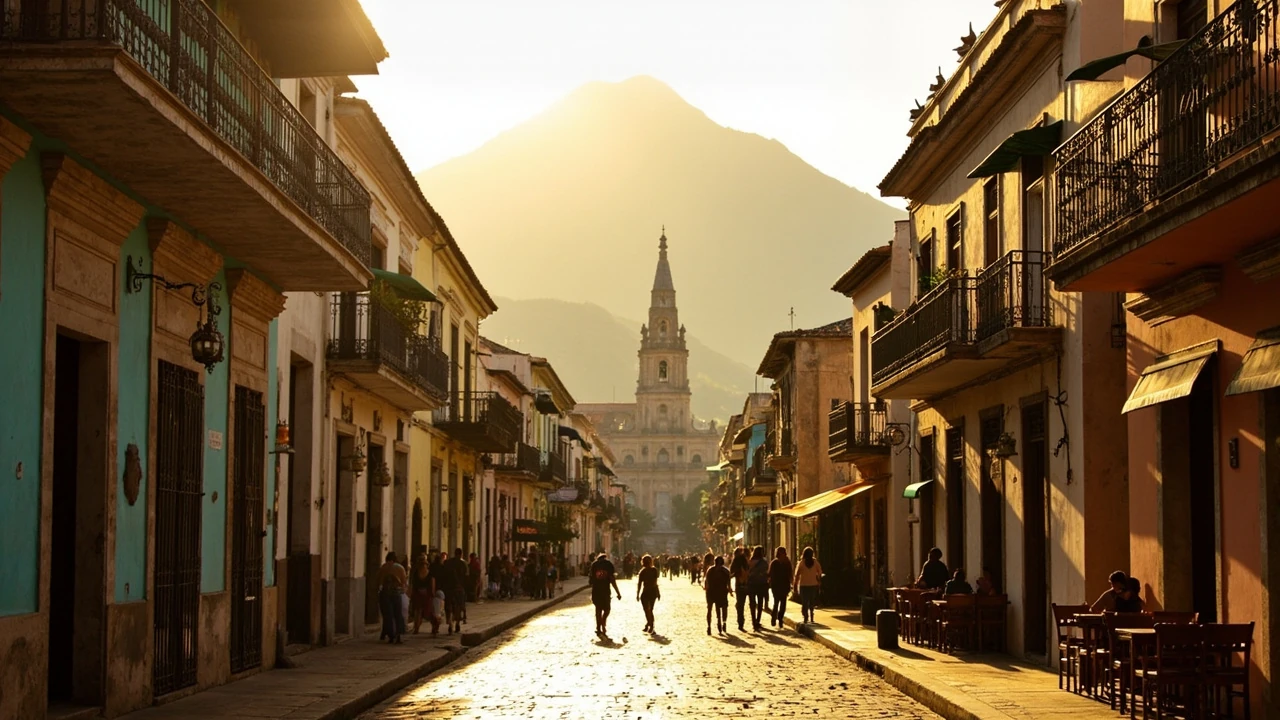
The historic center is the most convenient choice for first-time visitors who want to reach museums, theaters, restaurants, and major sights on foot. It also places you closest to the city’s daily rhythms. Expect streets that slope sharply toward the bay, buildings with tall doors and windows, and relatively little separation between historic and everyday urban life.
Accommodation quality and service conditions can vary, so choose according to verified current information rather than photographs alone. Check recent independent reviews for comments about noise, hot water, air conditioning, stairs, and the distance from the road. A central room that seems economical may involve more effort than a slightly quieter property if you have a packed schedule.
The broader municipality includes communities such as 26 de Julio, Abel Santamaría, Antonio Maceo, Bravo, Castillo Duany, Daiquirí, El Caney, El Cobre, El Cristo, Guilera, Leyte Vidal, Moncada, and Siboney. These names are useful when researching an excursion, but they describe places with different characteristics. El Cobre and El Caney have associations with pilgrimage and mountain areas, Daiquirí has coastal and historical associations, and Baconao belongs to a biosphere reserve recognized by UNESCO.
Rather than treating every outlying community as an interchangeable day trip, decide whether the journey itself is part of the experience. A mountain or coastal excursion may offer scenery and a sense of place, but it can consume much of a day. Consider these practical distinctions:
- Central base: Best for short stays, walking-heavy itineraries, cultural events, and travelers who value convenience.
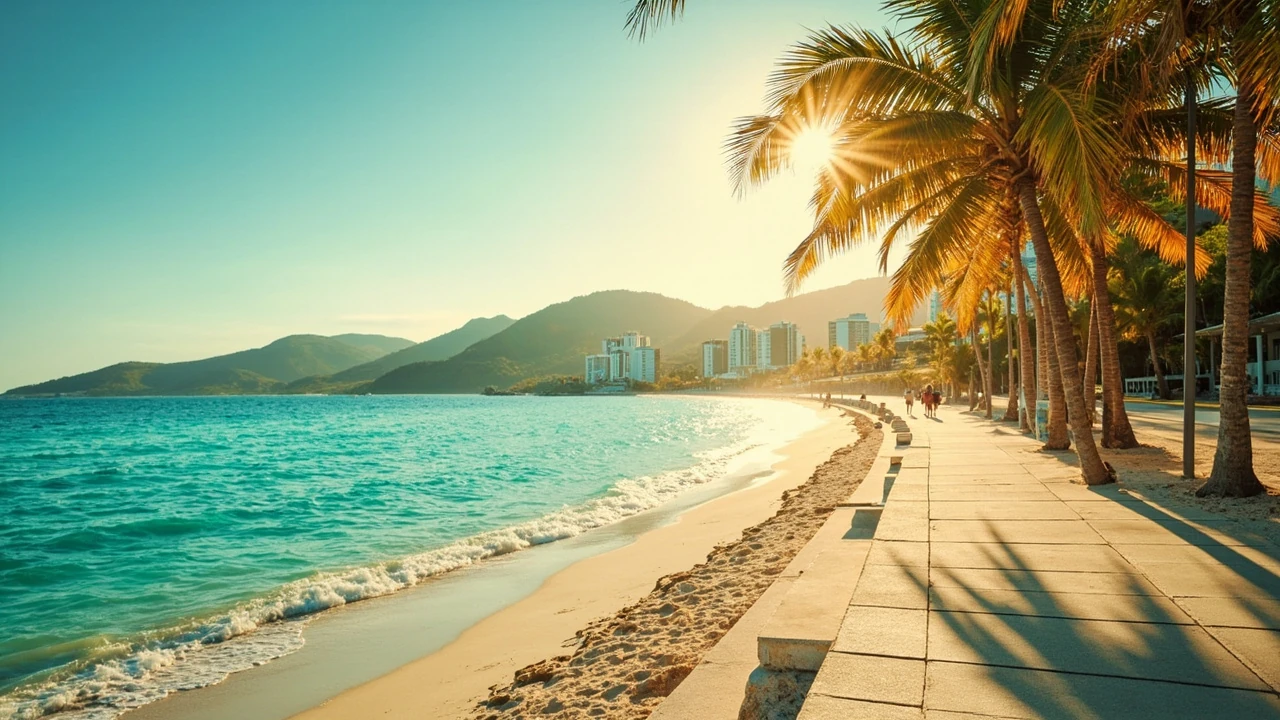
- Coastal base: Best for travelers prioritizing sea views, slower days, or access to beaches in the wider municipality.
- Mountain base: Best for nature, pilgrimage sites, and cooler conditions, but less convenient for daily city sightseeing.
- Outer community: Useful when the purpose of the trip includes a specific nearby experience rather than general sightseeing.
Ask your accommodation provider about the actual route from the property to the places on your list. “Walking distance” may involve uneven pavement, steps, steep grades, or a road without a continuous sidewalk. That distinction matters for travelers with mobility needs, luggage, or small children.
Getting to Santiago de Cuba and moving around
Antonio Maceo Airport serves the city, and Cubana de Aviación has historically connected Santiago with Havana, Port-au-Prince, and Santo Domingo. Current routes, schedules, and connections must be confirmed directly because aviation patterns and operating requirements can change. U.S. travelers should also check all applicable entry and transit rules before purchasing any itinerary.
Do not treat a city airport reservation as a guarantee that a complicated journey will proceed smoothly. A missed connection can affect luggage, onward movement, and accommodation plans. Build enough time into any itinerary that connects separate tickets, and make sure the airline can explain how checked baggage will be handled.
Once in the city, the best transportation method depends on the distance and the terrain. Walking works well for the historic core, but steep grades and tropical heat can make distances longer than they appear on a map. Taxis or arranged rides are useful for outlying destinations, while organized excursions can reduce uncertainty about access to less central sites.
| Travel method | Best for | Advantages | Questions to confirm |
|---|---|---|---|
| Walking | Central sights and short restaurant transfers | Low cost, immediate movement, and close observation of street life | Route difficulty, pavement, lighting, and heat tolerance |
| Taxi | Transfers around the city and visits to nearby communities | Door-to-door flexibility and less physical strain | Accepted payment method, estimated route, and current fare practice |
| Organized excursion | San Pedro de la Roca, Daiquirí, Baconao, or longer regional trips | Local knowledge and planned access | Duration, inclusions, guide language, vehicle condition, and cancellation terms |
| Long-distance transfer | Travel between regions of eastern Cuba | Can connect the city with a broader regional route | Departure point, duration, baggage allowance, and transfer reliability |
Keep a simple paper or offline note with the address of your accommodation, the local contact provided by your host or operator, and the next scheduled movement of the day. Connectivity can vary, so downloaded maps and a local phone number are more useful than relying on a single internet-based route planner.
Music, food, and the city’s cultural calendar
Music is one of Santiago de Cuba’s defining attractions. The city has deep connections to son, trova, and the traditions that shaped Cuban popular music. Compay Segundo, Ibrahim Ferrer, Eliades Ochoa, and Ñico Saquito are among the notable musicians associated with Santiago de Cuba or nearby communities. Their connection to the city explains why music is not merely an evening activity here; it is part of the destination’s identity.
The Teatro Heredia, named for poet José María Heredia, hosts theater and cultural events. Live performance can offer a more immediate experience of the city than a general sightseeing stop, but you should verify the event calendar, venue, ticket method, and performance language directly. Cultural programming may change, and a venue’s historical importance does not guarantee a performance on the date of your visit.
Food also reflects the city’s position between the Caribbean and eastern Cuban traditions. Rather than searching for a single definitive dish, use the meal as an opportunity to notice local ingredients, seafood, beans, rice, pork, root vegetables, and the influence of Santiago de Cuba’s mixed heritage. Choose restaurants through current local recommendations and ask about ingredients when you have allergies or dietary restrictions.
Use this checklist when planning a cultural evening:
- Confirm the performance date, start time, venue, and ticket source through the organizer.
- Ask whether seating is assigned and whether the event is indoors or outdoors.
- Allow time for the city’s steep streets, traffic, and entry procedures.
- Carry the payment method confirmed for the venue rather than assuming that every seller accepts the same option.
- Check the return arrangements for a private driver or taxi before leaving the venue.
Carnival is traditionally celebrated in July and is closely associated with the city’s music and street culture. Because dates and programming can change, travelers interested in the festival should confirm the current calendar well in advance. If the trip cannot align with Carnival, look for smaller concerts, theater performances, dance gatherings, or neighborhood music events instead of treating the city as culturally closed during other months.
Safety, health, and responsible travel in Santiago de Cuba
Responsible travel begins with accurate information rather than reassurance based on stereotypes. The risks travelers encounter are often ordinary travel concerns: unfamiliar transport, heat, crowded streets, cash-handling mistakes, or communication gaps. Prepare for those problems without exaggerating them or treating a destination as inherently unsafe.
Keep your phone, passport, cards, and tickets secure while moving through busy areas. Use a reputable transport provider or a driver arranged through your accommodation or a trusted local operator. Confirm the destination and price before entering a taxi, and keep a written record of emergency contacts. If you participate in an excursion, ask who provides the vehicle, driver, guide, and insurance coverage.
The hot, humid climate makes hydration and pacing important, particularly for travelers arriving from cooler climates. Use sunscreen, carry water, and schedule demanding walks for the cooler parts of the day. Bring any prescription medicine in original packaging and confirm current import rules before departure. Seek appropriate medical advice before travel if you have a condition that could be affected by heat, humidity, dietary changes, or limited access to care.
Food and water precautions also require ordinary attention. Choose busy, well-maintained establishments, eat food that has been cooked thoroughly, and use safe water practices. The exact bottled-water and ice situation can change, so ask locally rather than relying on a universal rule.
A useful pre-departure safety list includes:
- Current official entry, transit, currency, and customs requirements
- A copy of travel insurance details and the insurer’s assistance number
- Emergency contacts for your home country and your accommodation
- Medication, sunscreen, water bottle, and clothing suited to tropical heat
- A payment backup and a clear understanding of where it can and cannot be used
- Verified transport for airport arrival, late-night returns, and outlying excursions
- Offline maps and the address of your host in the local language where possible
For a broader perspective on evaluating destination safety, the site’s travel safety assessment for Morocco shows how to compare official advisories with practical travel conditions. The same method applies here: check current government guidance, understand the type of risk involved, and avoid treating an old article as a live security bulletin.
What to book and confirm before departure
Bookings should be made around a confirmed travel route and a realistic plan for the first day in Santiago de Cuba. Flights and accommodation are only two parts of the arrangement. Transfers, excursions, event tickets, and payment methods also need confirmation, especially when they involve separate providers.
| Item | Confirm before paying | Why it matters |
|---|---|---|
| Flights and transit | Current route, connection, baggage handling, check-in rules, and name requirements | Prevents disruptions caused by inaccurate connection assumptions |
| Entry and transit documentation | Applicable official requirements for each country crossed | Requirements can depend on citizenship, itinerary, and current regulations |
| Accommodation | Exact location, room access, air conditioning, hot water, stairs, and payment terms | Photos may not reveal terrain or building access |
| Airport transfer | Meeting point, vehicle type, waiting procedure, and fare or payment method | Reduces uncertainty on arrival |
| Guided visits | Guide credentials, language, itinerary, inclusions, and cancellation policy | Separates a well-organized activity from a vague sightseeing promise |
| Performance tickets | Event date, venue, seating, ticket source, and collection method | Historic venues may have limited or irregular programming |
| Travel insurance | Coverage for the destination, medical care, activities, and interruptions | Ensures the policy matches the actual route and planned excursions |
Save confirmation numbers offline and print the most important details. A compact travel document containing your flight, hotel, transfer, and insurance information can be more useful than a folder of screenshots when connectivity is limited. Keep the original documents separate from the copies you carry.
Travelers comparing Santiago de Cuba with another island destination may also appreciate the contrasting perspective in the guide to the Ionian Islands. Both destinations are associated with island landscapes, but their histories, transport networks, cultural landscapes, and travel rhythms differ. Comparing them can clarify whether you want an urban journey tied to a specific region or a broader island-hopping experience.
A balanced itinerary for a short Santiago de Cuba visit
A compact trip should protect time for the city rather than fill every hour. The following three-day pattern is a planning framework, not a fixed schedule. Move activities according to current opening conditions, transport availability, weather, and your energy level.
- Day one: understand the central historical city. Begin with the waterfront and the approach to the Castillo del Morro. Add a guided visit to San Pedro de la Roca, allowing time for its defensive setting and interpretation. Return to the central streets later for a slower architectural walk and an early evening meal.
- Day two: connect the city with revolutionary memory and cultural life. Visit Santa Ifigenia Cemetery and the Moncada area with a guide who can explain their context. Schedule a performance, theater event, or live-music experience for the evening, provided the current calendar supports it.
- Day three: choose one regional direction. Select Daiquirí, the Baconao area, El Cobre, El Caney, or another destination that matches your interest. Avoid cramming several distant communities into the same day. Finish with a relaxed evening near your accommodation.
For a two-day visit, keep the itinerary centered on the city and choose only one major outlying experience. For four days or more, add a second excursion and allow at least one slower day. This reduces the temptation to rush through every photo-worthy location while leaving room for unexpected conversations, weather, and changes in local arrangements.
Before the final day, confirm that all selected sites remain accessible, that your transportation has been reconfirmed, and that you have a suitable plan for the airport transfer. Then review your documents, payment backup, medication, and travel insurance details one last time.
Frequently asked questions
What is Santiago de Cuba best known for?
Santiago de Cuba is known for its Caribbean bay, steep streets, colonial and neoclassical architecture, revolutionary history, museums, theaters, and strong musical traditions. The city is also the birthplace of the Bacardí brand and the home of José Martí’s grave at Santa Ifigenia Cemetery. These interests can be combined in a short visit, though careful scheduling prevents the city from becoming a checklist.
How many days should travelers spend in Santiago de Cuba?
Two or three full days are practical for the major urban sights and one nearby excursion. Four days or more allows more time for music, guided historical walks, and regional landscapes. The best duration also depends on the confirmed journey time, your accommodation location, and how much walking or heat you can comfortably manage.
Is Santiago de Cuba suitable for a first visit to Cuba?
It can be an excellent first destination for travelers who are especially interested in history, music, architecture, and eastern Cuban culture. The city has distinct landmarks and a clear regional identity. However, visitors should arrive with a realistic plan for current entry requirements, payment arrangements, transport connections, and seasonal weather.
What are the main historical sites to visit?
The most prominent places include Castillo del Morro, San Pedro de la Roca, Santa Ifigenia Cemetery, the Moncada area, and the former Bacardí complex, which now contains a museum. A local guide can add context by explaining how the sites relate to the city’s colonial, military, commercial, and revolutionary history.
Can visitors reach the mountains and coast from Santiago de Cuba?
The municipality extends from the city toward the Sierra Maestra, the coast, and communities such as Daiquirí, El Cobre, and El Caney. Baconao is associated with a UNESCO-recognized biosphere reserve. Reaching these areas takes more planning than a walk in the historic center, so confirm transport, travel time, access, and current site conditions before departure.
What should travelers know about the weather?
Santiago de Cuba has a hot and humid tropical climate with no sharply separated wet and dry seasons. Lightweight clothing, water, sun protection, and regular breaks are useful throughout the year. Heavy walking and outdoor visits are easier during cooler periods of the day, though current forecasts should determine each day’s specific plan.
Is music and performance part of the Santiago de Cuba experience?
Yes. Son, trova, and other Cuban musical traditions are deeply connected with the city. The Teatro Heredia and other cultural venues host performances, but programming changes. Check the organizer’s current calendar and ticket method rather than relying on a calendar encountered months earlier.
What payment preparations are needed?
Do not assume that cards, cash, or foreign accounts will work in the same way as in the United States. Review current official currency rules and the payment method confirmed by your accommodation, airline, and excursion provider. Bring the required funds in the permitted form and retain receipts for any exchange or conversion service you use.
How should travelers handle transfers and local transportation?
Use verified providers and agree on the vehicle, route, meeting point, payment method, and waiting procedure in advance. Walking is convenient in the central area, but steep grades and heat can slow the journey. For outlying communities, an organized excursion or reputable local driver is generally easier than improvising each transfer.
What should be packed for Santiago de Cuba?
Pack light, breathable clothing, comfortable footwear for steep streets, sun protection, a reusable water bottle, and any required medication in its original packaging. Bring travel-document copies, insurance information, and an offline version of your itinerary. Confirm luggage limits and import rules before packing unusual items.

Leave a Reply