
Northern Japan travel guide: choosing the right route
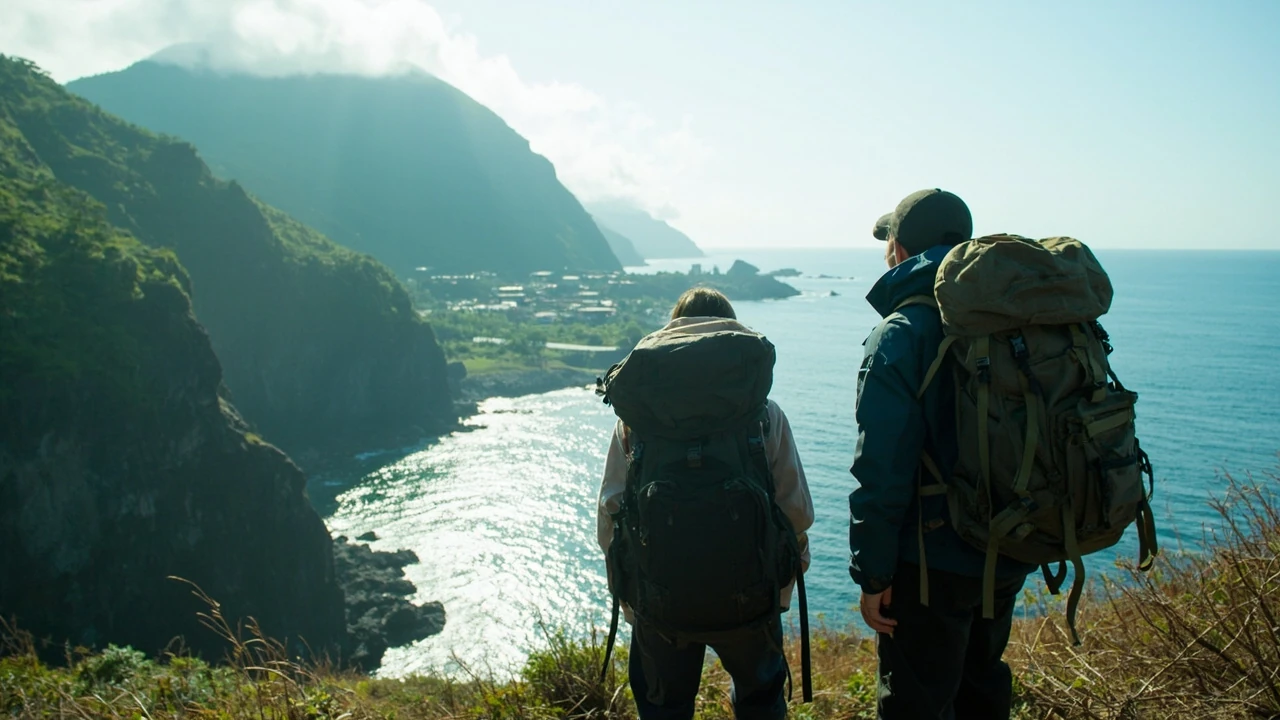
A trip to northern Japan can feel surprisingly different depending on how much time you have and whether you want cities, food, winter scenery, hot springs, or quiet access to the countryside. Hokkaido is the island north of the main Honshu archipelago, while Tohoku covers the northern portion of Honshu, including Aomori, Iwate, Miyagi, Akita, and Yamagata. Together, they offer dramatic coastlines, mountain landscapes, regional cuisine, well-known onsen towns, and a pace that becomes slower as travelers move away from the main rail corridors.
The best starting point depends on three decisions: the season, the number of nights available, and whether the itinerary should emphasize Hokkaido, Tohoku, or both. A first visit by direct flight often makes Hokkaido more straightforward. A rail-first trip can work well from Tokyo or Sendai, with the Tohoku Shinkansen providing a useful connection to northern Honshu. Trying to cover every major destination usually produces too much transit and too little time for the places that matter.
This guide focuses on a practical regional itinerary rather than a checklist of attractions. It explains how to match destinations to seasons, how rail and air travel fit together, where weather affects access, and which details should be confirmed before departure. Information such as flight schedules, service intervals, border rules, and opening arrangements can change, so travelers should confirm time-sensitive plans with the relevant operator or official local tourism source before booking.
Which part of northern Japan should you choose?
Hokkaido and Tohoku share a northern identity, but they offer different combinations of scenery and travel rhythms. Hokkaido rewards travelers who want larger driving distances, seafood and dairy traditions, volcanic landscapes, ski areas, and distinct seasonal conditions. Tohoku is more compact for a rail-based journey and offers mountain towns, pilgrimage routes, Buddhist art, reconstructed districts, coastal scenery, and hot springs connected with long-established inns.
| Priority | Best base | What you will spend time on | Travel style |
|---|---|---|---|
| Food and easy city access | Sapporo | Markets, ramen, sushi, museums, nearby towns, and day trips | Urban base with flexible excursions |
| Seafood and harbor towns | Hakodate | Morning market, historic streets, nearby coast, and southern Hokkaido | Compact, slower-paced itinerary |
| Nature and driving | Furano or Asahikawa | Lakes, flower fields, mountains, ski resorts, and rural scenery | Car recommended for flexibility |
| Mountains and onsen | Shirakami-Sanchi or Tsuruoka | Waterfalls, hiking, forest roads, and restorative stays | Nature-first trip with a regional rail connection |
| History and recovery | Sendai | Castles, food, museums, and access to the wider Tohoku region | Hub for a multi-stop rail journey |
Consider the following regional contrasts when narrowing the choice:
- Choose Hokkaido if you have at least four or five nights, want dramatic seasonal contrast, and are comfortable with longer distances between towns.
- Choose Tohoku if you prefer a tighter rail itinerary, value cultural and historical sites, and want to stay in smaller mountain communities.
- Split the trip if you have at least eight nights and can absorb a flight or an overnight train connection between the two regions.
- Stay in one region if your total trip lasts under a week. A short domestic flight and focused stay are usually more rewarding than a rushed multi-region loop.
Most travelers underestimate the effect of transfer time. A route may look simple on a map but still consume half a day when it includes a station change, a regional train, or a bus connection. Before booking separate tickets, check each leg independently and leave enough time for the first connection, especially when arriving from an international flight.
Choosing a season for Hokkaido and Tohoku
Season determines the experience more than the order of the itinerary. Hokkaido has a cold maritime climate, with snowy winters that can affect roads, flights, and cruise operations. Northern Honshu also receives heavy winter snow in inland and mountain areas, although the coast is often milder than places such as the central Hokkaido interior. Spring, summer, and autumn each have their own crowds, prices, and activities.
| Season | Northern Japan conditions | Best experiences | Planning considerations |
|---|---|---|---|
| Winter | Snow, icy roads, short daylight, and frequent storms in exposed areas | Skiing, snow bathing, winter onsen, seasonal food, and snowy towns | Allow for flight and rail delays; prioritize accommodation with winter access |
| Spring | Melt begins in many areas, while high-altitude locations can remain cold | Fewer crowds, early cherry blossoms, mountain scenery, and spring menus | Check mountain road and trail opening dates |
| Summer | Comfortable in cities and the coast, with cool evenings at elevation | Festivals, hiking, rafting, coastal drives, and outdoor food | Book popular lodging and transport earlier |
| Autumn | Crisp air and strong color in mountain regions | Leaf viewing, quieter walks, autumn restaurants, and hot springs | Peak foliage dates vary by elevation and region |
For winter, choose the experience carefully. A ski trip requires equipment, lift access, and a resort base. A sightseeing trip requires sturdy winter footwear, realistic expectations about canceled services, and patience when the weather interrupts travel. The pleasure of northern Japan in winter comes from adapting to the conditions, not merely seeing snow. Staying at an onsen ryokan during a storm can be rewarding, provided you arrive before the worst conditions and do not schedule a time-critical connection that evening.
For summer, coast and highland areas can suit different interests. Sendai and the Pacific coastline work well for museums, festivals, and urban food trips. Furano, Lake Tazawa, and the mountain routes inland are better for outdoor time. Autumn offers excellent food and less visual clutter, but color peaks move through the region rather than arriving everywhere at once. Plan the main viewing area first, then use the surrounding itinerary to fill out the trip.
Getting around: flights, trains, buses, and cars
Transport choice determines how independently you can explore. Northern Japan offers a useful mix of high-speed rail, local trains, buses, rental cars, and flights, but no single mode works perfectly everywhere. The best base depends on how many nearby stops you want to make and how much time you are willing to spend in transit.
- Flights connect major gateways such as New Chitose near Sapporo with cities farther south and serve parts of northern Honshu. They save time between distant regions but have limited value for short local hops.
- Shinkansen is efficient for reaching Tohoku from Tokyo or northern Honshu. Stay on board through longer segments, but leave local exploration to regional trains and buses.
- Regional trains reach many towns but usually run less frequently than metropolitan services. Check the return schedule before committing to a day trip.
- Local buses bridge smaller destinations when trains are limited. They can be scenic, but the timetable is often the real planning constraint.
- Rental cars provide the greatest freedom in Hokkaido, Tohoku’s countryside, and mountain areas. They require a valid driver qualification, familiarity with local road rules, and careful winter planning.
| Route type | Best choice | Why it works | Watch for |
|---|---|---|---|
| Tokyo to northern Honshu | Shinkansen | Fast, direct, and comfortable over long distances | Station transfers and limited local service after arrival |
| Sapporo to smaller Hokkaido towns | Car or combination of rail and bus | Flexibility for lakes, farms, and coastal stops | Long distances, winter tires, and one-way fees |
| Hokkaido to Tohoku | Flight, usually the practical choice | Reduces a substantial cross-country journey | Schedule a meaningful stop rather than rushing through the airports |
| Town to town in Tohoku | Local train or bus | Useful for mountain and coastal communities | Limited daily frequency and possible replacement buses |
Plan each day around one main geographic area. Combining a mountain destination, a coastal town, and a major city in a single day can consume the day in transit. A better approach is to use the first day for arrival, choose one nearby site for the second day, and reserve a full final day for a flexible local experience. If returning by public transportation, schedule the final activity with enough margin to reach the appropriate station and board the service you reserved.
What to see and do in Hokkaido
Hokkaido rewards travelers who choose a theme. A food-focused visitor might divide the stay among Sapporo, Hakodate, and Otaru. A nature-focused itinerary can use Asahikawa or Furano as a base for surrounding landscapes. History-oriented travelers may add museums and preserved districts, while winter visitors can build an entire trip around skiing or snow-covered onsen towns.
Sapporo as a flexible first or last stop
Sapporo is the region’s largest city and the most practical entry point for many itineraries. The city center offers a dense mix of restaurants, shopping, museums, parks, and neighborhoods that can be explored on foot or by local transit. It is a sensible first stop because it provides a broad selection of food and lodging, then a familiar base from which to adjust to regional travel. Those using a domestic flight can avoid adding another full transfer day by staying near the airport only if their flight arrives late; otherwise, the city itself is a better place to begin.
Visitors should treat the market districts as an experience rather than a single indoor destination. Eating depends on the day, the season, and the quality of the ingredients, so a flexible plan is better than stacking unrelated stops into one morning. Sapporo also works well for a short urban break between two outdoor portions of a trip.
Hakodate, Otaru, and the south coast
Hakodate has a compact center, a long food tradition, and a historic port atmosphere. It pairs well with Otaru for travelers who want two different kinds of harbor city: Hakodate offers more obvious historic and architectural sightseeing, while Otaru feels more closely connected to warehouses and canal-side streets. Together they can form a two-base southern Hokkaido trip. A traveler who books separate hotel nights may gain a better sense of place, although moving luggage and changing trains adds effort.
Asahikawa, Furano, and inland landscapes
Asahikawa is useful as a practical base for central and eastern Hokkaido. Furano is associated with broad seasonal landscapes, including lavender in summer and snow in winter, but the area’s value extends beyond one famous flower. Lakes, foothills, farms, hot springs, and mountain roads give travelers multiple reasons to extend a stay. A car is particularly useful in this part of the island because many worthwhile viewpoints and small attractions sit beyond convenient public transport routes.
For a history-oriented aside, travelers interested in contemporary regional defense history can consult the Wikipedia entry on the Northern Army (Japan), which provides useful background for this point. The page explains that this Japan Ground Self-Defense Force command is headquartered at Camp Sapporo, has responsibility for Hokkaido, and is one of the force’s five active armies. That context may be useful for understanding the island’s geography and strategic position, although it is a specialized interest rather than a standard sightseeing stop.
Choosing an Hokkaido itinerary
Do not treat every lake, farm, flower field, and hot spring as a required stop. Select two or three activities that genuinely match your interests and build the route around them. A strong week could include Sapporo, a central Hokkaido nature base, and Hakodate. A winter version may use fewer bases and include a dedicated onsen stay. A driving trip can cover more ground, but a shorter route with a longer stay is often easier on both driver and passengers.
What to see and do in Tohoku
Tohoku is well suited to travelers who want to combine scenery with regional culture. The rail network makes many of its major towns reachable, while local buses and rental cars extend access to mountain and rural areas. The region contains major cities and quiet destinations, so the itinerary benefits from a clear rule: alternate energetic stops with slower ones.
Sendai and access to the coast
Sendai is the most useful transport hub for many visitors. Its central sights include parks, historic architecture, museums, and food districts, while the wider area provides access to the Pacific coast. It works well as the first stop of a Tohoku journey because it offers a wider lodging and dining selection than the smaller mountain towns. For a day trip, travelers can pair a central morning with a coastal afternoon, but should avoid combining both with a long formal dinner if they also need a long journey that evening.
Tsuruoka and the inland mountain culture
Tsuruoka provides access to mountain landscapes, traditional inns, pilgrimage-related heritage, and the Yamagata basin. It is a good base for travelers interested in hot springs and slower stays. Day trips from the area can involve temples, historic towns, mountain roads, and rural scenery. Since these destinations are not necessarily close to the main station, transportation should be organized before arrival rather than improvised on a short-notice basis.
Aomori and the northern edge of Honshu
Aomori combines a modern port city with access to dramatic coastal and mountain landscapes. The surrounding region is associated with forests, bays, hot springs, and seasonal food traditions. It makes sense as an endpoint or a longer stay rather than a rushed stop between Tokyo and Sendai. Travelers who continue north from Aomori need to check current rail and ferry schedules carefully, because service patterns and operating seasons can affect the journey.
Towada and Shirakami-Sanchi
The Towada and Shirakami-Sanchi area is a strong choice for hiking, waterfalls, forest scenery, and onsen. These destinations reward travelers with more than a brief photo stop. Weather can change quickly in exposed mountain terrain, and access conditions may vary by season. A dedicated stay allows walkers to adjust their routes to conditions, while visitors without hiking experience can still focus on viewpoints, local meals, and short walks.
Building a balanced Tohoku route
A practical route might begin in Sendai, move toward Tsuruoka for slower inland experiences, and end near Aomori or the northern coast. Alternatively, travelers can base themselves in one city and make day trips to nearby attractions. The first option offers more variety but involves more packing and rail changes. The second is easier for travelers with limited mobility or a short schedule. Whichever approach you choose, leave one flexible period for a delayed train, a weather interruption, or an unplanned local recommendation.
Sample itineraries for different trip lengths
The best itinerary is the one with realistic transfer times and enough repetition to become familiar with a place. These models are starting points rather than fixed schedules. Adjust them around confirmed train times, seasonal access, and the interests of your group.
| Trip length | Recommended structure | Main base or bases | Why it works |
|---|---|---|---|
| 3 nights | One city and one focused excursion | Sapporo or Sendai | Reduces transfers and creates time for nearby activities |
| 5 nights | One regional hub plus one contrasting destination | Sapporo with Hakodate, or Sendai with Tsuruoka | Provides both urban food and regional scenery |
| 7 nights | Two areas with a scenic transfer | Hokkaido route or Tohoku route | Allows a genuine pace change without crossing Japan twice |
| 10 nights or more | Hokkaido and Tohoku with a flight connection | Sapporo, Hakodate, Sendai, and one smaller area | Combines the best rail and road experiences without rushing |
For a short trip, stay near the activities you care about rather than choosing a bargain room in a distant neighborhood. For a week, use no more than three or four hotel bases. For a longer journey, protect one day with no intercity transfer. It gives you room to recover from a long first day and can prevent a missed connection from undermining the rest of the trip.
A responsible itinerary should also reflect the seasonal identity of each place. Summer visitors can add festivals, longer walks, and outdoor meals. Autumn visitors can prioritize color and quieter mountain roads. Winter travelers should build in more transition time and choose lodging that can handle difficult weather. Spring visitors should check for melting snow, trail closures, and limited late-season services.
Practical planning for food, lodging, and local expectations
Northern Japan is not one uniform travel market. Even within the same prefecture, prices, service patterns, and access can vary significantly between a city, a resort, and a small town. Research the exact base, not just the destination region, and avoid assuming that a destination shown on a map is easy to reach.
Accommodation
Business hotels in cities usually provide the most straightforward arrival experience. Ryokan and smaller inns can offer a more intimate stay, a meal-centered schedule, and direct access to local hot springs, but they often require dinner and breakfast reservations. Check how late the property can hold a room if the train arrives late. In winter, confirm parking access, snow removal, heating, and any road restrictions that could affect arrival.
Food
Regional meals often follow the landscape. Hokkaido is known for seafood, dairy, meat, and wheat-based dishes, while Tohoku offers strong traditions involving rice, local produce, noodles, and seafood. Menus and ingredients change through the year, so ask about what is seasonal rather than treating a restaurant as permanently committed to one specialty. At smaller restaurants, reservations may be limited, and some places may not accommodate large groups.
Consider these practical questions before ordering:
- Is the restaurant focused on lunch, dinner, or both?
- Do dietary restrictions or allergies require advance notice?
- Does the meal plan include children, and are there smaller portions or alternatives?
- Is a seat reservation required even during an apparently quiet period?
Onsen etiquette
Public and private hot springs generally follow a simple routine: wash before entering the shared bath, keep swimwear out of the soaking area, and follow posted rules for tattoos or other restrictions. Nude bathing is standard in a communal onsen, although private baths and reserved rooms are available at many properties. If you are uncertain about a facility’s rules, ask the staff or check the accommodation listing before booking.
Connectivity, cash, and essential documents
Smartphones support everyday navigation and communication in populated areas, though signal quality can vary on mountain roads and in remote valleys. Carry a physical payment method and a small amount of cash for small shops, rural buses, or facilities that do not accept every card. Keep your passport accessible because it may be requested during hotel check-in, and make sure your travel insurance covers winter sports, driving, or hiking as applicable.
For a broader perspective on region-based trip planning, the site’s Tanzania travel guide illustrates how a destination guide can organize transport, costs, and entry planning. The Ionian Islands guide offers a useful comparison for travelers who enjoy slower island itineraries and want to balance cultural stops with time to explore.
Finally, keep your documents and reservations organized offline. Download the Shinkansen, regional train, bus, and flight details you need, save accommodation addresses in Japanese where helpful, and note the last viable return service when visiting a smaller destination. Local transit staff may not be able to solve a last-minute missed connection, so the practical plan begins before the journey leaves the station.
Frequently asked questions
Is northern Japan worth visiting in winter?
Yes, if winter scenery, skiing, snow-covered towns, and onsen stays appeal to you. The tradeoffs are shorter daylight, possible transport disruption, icy roads, and a greater need for proper winter clothing. Ski travelers should treat resort access as the main trip. Sightseeing travelers benefit more from choosing two bases, allowing time for weather delays, and avoiding a tightly packed schedule.
Can I visit Hokkaido and Tohoku on the same trip?
Yes, but you need more time than for a single-region itinerary. A flight is usually the most practical connection between the two areas. With roughly a week or more, you can build a multi-region route, but a ten-day plan is easier to enjoy than a seven-day one. Allow at least one night in each region and do not schedule a cross-region flight immediately after a long sightseeing day.
Do I need a rental car in Hokkaido?
It depends on your itinerary. Trains are practical for Sapporo and other connected towns, but a car adds flexibility for lakes, farms, coastal roads, and small nature areas. It is particularly useful in central Hokkaido and winter destinations, though it also adds cost, parking demands, and responsibility for navigating unfamiliar roads. Travelers who plan only station-based excursions may not need one.
Is Tohoku easy to explore without a car?
Major destinations and many cultural sights are reachable by rail or bus, making a car optional for a conventional sightseeing route. Some mountain villages, trailheads, and rural food stops are easier to reach by car. Check local bus timetables before building a day around a remote stop. A rail base plus a short organized excursion can work well for travelers who prefer less road time.
What is the best time to see autumn leaves in northern Japan?
The timing varies by region, elevation, and the weather in a particular season. Northern areas and higher elevations generally change earlier than lower coastal locations, but an exact date cannot be guaranteed. Focus on one or two viewing areas rather than trying to chase color across the country. Local forecasts and regional bloom or foliage reports are more useful than a single nationwide calendar.
Are northern Japan hotels suitable for families?
Yes, especially in Sapporo, Hakodate, Sendai, and major resort areas, where family rooms and larger accommodation options are easier to find. Small ryokan and mountain inns vary more, so ask about room size, meals, stairs, and children’s policies. At an onsen property, families should confirm whether children can enter every shared bath and what supervision rules apply.
What should I pack for a trip to northern Japan?
Pack according to the season and route. Winter calls for layered clothing, waterproof outerwear, warm footwear, and reliable cold-weather accessories. Mountain trips may require trail shoes and rain protection even in summer. Smaller towns and rural areas benefit from a day bag, portable power, and offline copies of reservations. Bring any prescription medicine in original packaging and confirm medication availability before a remote stay.
How many days should I allow for northern Japan?
Allow at least four or five nights for one region, eight or more for a comfortable Hokkaido-and-Tohoku combination, and longer if winter weather or a slow travel pace is part of the goal. Short trips work best with one city and nearby day trips. More time allows for an overnight stay, a hot spring inn, or a scenic region that would otherwise be rushed.

Leave a Reply