
Famous landmarks in Peru for a first-time visitor
A trip to Peru can include an ancient citadel above the clouds, a capital city filled with colonial architecture, desert lines traced by Nazca figures, and islands shared with Bolivia on Lake Titicaca. The challenge is not finding remarkable places; it is deciding which famous landmarks in Peru fit your time, interests, and tolerance for long journeys between regions.
This guide compares the country’s most recognizable sights by location, travel time, typical visit, and the experience they offer. It also explains how to combine Lima, the Sacred Valley, Machu Picchu, and southern Peru without treating every stop as an obligatory checkpoint. Current ticket availability, access rules, and operating conditions should always be confirmed with official providers because they can change.
For visitors building a broader South American itinerary, the travel-planning lessons in Tanzania Travel Guide: Safaris, Costs & Entry Rules offer a useful contrast: just as safari planning depends on road transfers and regional seasons, Peru requires attention to altitude, flight connections, and the time needed to move between distant landscapes.
How to choose the right famous landmarks in Peru for your trip
Peru is geographically varied, and even a compact list of major attractions can consume more than two weeks. Start with the parts of the country that match your priorities rather than organizing the trip around a checklist of names. Lima offers museums, food, coastal scenery, and an easy introduction to the country. Cusco and the Sacred Valley provide a deeper connection with Inca history and mountain landscapes. Machu Picchu adds the famous archaeological setting, while the south leads to high Andean lakes, desert valleys, and some of Peru’s most dramatic roads.
Consider four questions before choosing your route:
- How much time do you have? A major Lima-to-Cusco-and-Machu-Picchu route needs several transportation days, even when the sightseeing days feel short.
- How well do you acclimatize? Cusco sits at a high elevation, and moving directly from a sea-level flight into strenuous activity can be difficult for some visitors.
- What interests you most? Archaeology, living culture, food, photography, hiking, and wildlife lead to very different destinations.
- Can you accept long transfers? Distances look manageable on a map but may involve winding roads, flight changes, or waits at smaller airports.
The most useful approach is to choose one geographic core and add only a few complementary stops. A traveler with ten days might combine Lima, Cusco, the Sacred Valley, and Machu Picchu. With two or three additional weeks, the route can continue toward Lake Titicaca, Colca Canyon, or the southern desert. This table offers a quick comparison of the major stops.
| Landmark | Region | Best for | Planning consideration |
|---|---|---|---|
| Machu Picchu | Cusco Region | Inca architecture and mountain scenery | Reserve official entry in advance and allow time for the train or alternative route |
| Historic Cusco | Cusco Region | Colonial streets, Incan stonework, and culture | Plan an acclimatization day before demanding activities |
| Sacred Valley | Cusco Region | Markets, villages, terraces, and archaeological sites | Choose a smaller market town or a larger market depending on your interest |
| Huacachina | Ica Region | Desert landscapes and sandboarding | Dry, hot conditions require sun and water protection |
| Nazca Lines | Nazca Region | Arid-landscape views and archaeology | Use a reputable local operator for a flight or viewing tour |
| Colca Canyon | Arequipa Region | Condor viewpoints and Andean scenery | Allow a full day and check road or weather conditions |
| Lake Titicaca | Puno Region | Island culture, high-altitude scenery, and history | Choose Uros or Taquile rather than attempting both in a rushed day |
| Lima historic center | Lima Region | Museums, architecture, cuisine, and urban culture | Reserve major museum time and account for traffic between districts |
Among the famous landmarks in Peru, altitude and travel logistics deserve as much attention as the views themselves. A destination that appears simple on an itinerary may require several connections, while a shorter regional trip can create more time for culture and observation.
Begin in Lima for food, museums, and an easy introduction
Lima is often treated as a stopover between international flights, but it deserves more than a few hours. The city sits beside the Pacific Ocean, and its historic center contains major museums, carefully preserved colonial buildings, plazas, and a culinary tradition shaped by coastal ingredients and migration from the Andes and elsewhere.
Start with the historic center and Miraflores rather than trying to cover the entire metropolitan area in one day. Major museum visits can consume entire mornings, and central Lima traffic can make a short journey across town surprisingly slow. The Larco Museum, the Museo de Arte de Lima, and other cultural institutions can help explain the country’s long history, including the complex relationship between Indigenous communities and the coastal metropolis.
Food is one of the strongest reasons to spend extra time here. Lima is a good place to try ceviche, although a single restaurant does not define the dish, and to compare it with other Peruvian preparations such as lomo saltado, ají de gallina, causa, and seafood pasta. Ask about ingredients if you have dietary restrictions or a sensitivity to spicy peppers. A street-food or market experience can be informative, but busy stalls also vary in hygiene and preparation.
Nearby coastal scenery adds contrast to the capital’s dense center. Miraflores has ocean-facing promenades, parks, and shopping areas, while Barranco is known for independent streets, galleries, cafés, and the bridges painted in many colors. These districts are useful for an evening when you want less scheduling. For a broader idea of the city’s place within a larger South American route, compare Chile History: From the Atacama to Today’s Republic, whose geographic and historical context differs from Peru but reinforces how much political and environmental variation exists along the continent’s western edge.
A practical Lima itinerary could include one morning for a major museum, an afternoon in Barranco, and an evening devoted to food. Lima is less valuable as a rushed collection of landmarks than as a place to adjust to Peruvian cuisine, urban rhythms, and prices before moving inland.
Use Cusco and the Sacred Valley to understand the Inca world
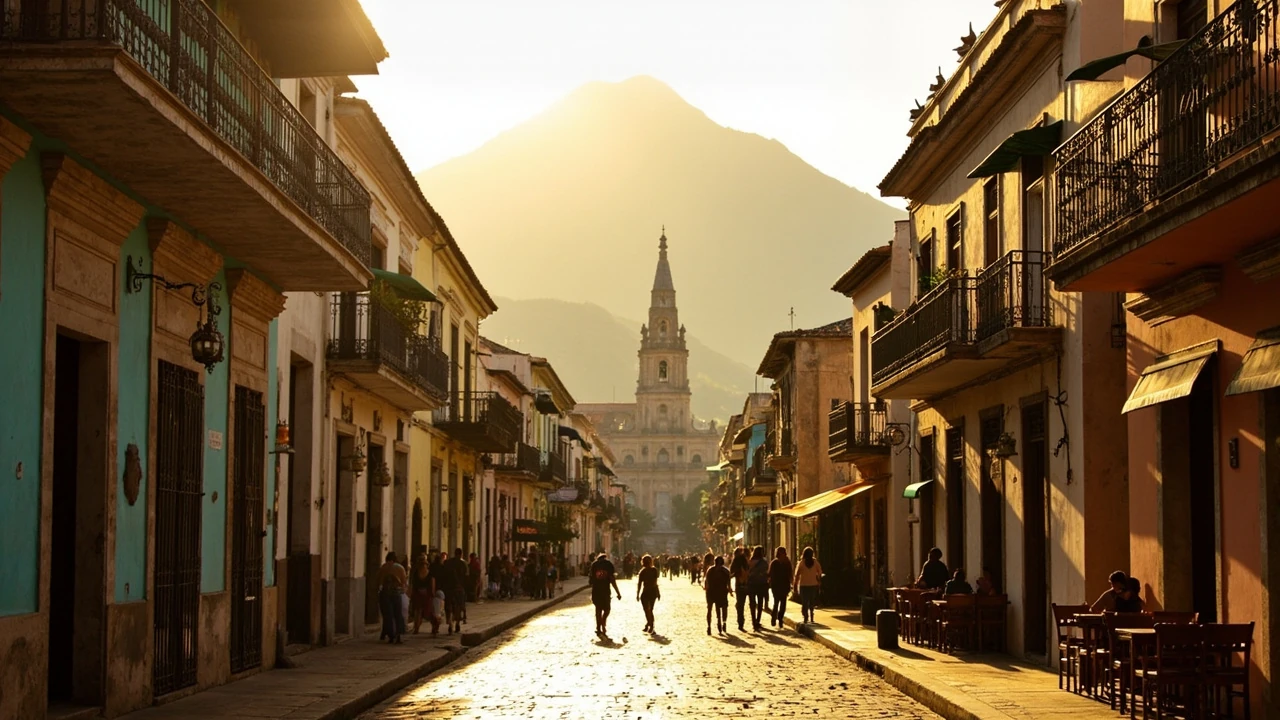
Cusco was the capital of the Inca empire and remains the most useful base for exploring the region. Its historic center sits among steep hills, and many streets follow the lines of an earlier capital. Spanish colonial buildings often stand on Inca foundations, creating a layered city that rewards slow walking rather than quick photography.
Give yourself time to acclimatize after arriving from lower elevations. A restful first day can include a short orientation walk, a market visit, and a nearby archaeological viewpoint. It is better to arrive in Cusco, observe how your body responds to the altitude, and avoid immediately scheduling the most demanding hikes.
Important sites around the city include Sacsayhuamán, Q’enqo, Puka Pukara, and Tambomachay. Their details are easier to appreciate when a guide explains how the landscape, water systems, and ceremonial spaces functioned. Walking between some sites also takes longer than expected, particularly when streets are steep or entry points are a distance from parking areas.
The Sacred Valley extends along the Urubamba River and includes both large visitor centers and smaller communities with distinctive markets and crafts. Pisac is often selected for its market and hillside archaeological complex. Ollantaytambo is known for extensive stone terraces and a more imposing mountain setting. The salt pans at Maras and the Moray agricultural terraces offer different perspectives on Inca engineering and landscape use.
When comparing famous landmarks in Peru, distinguish the Sacred Valley from Machu Picchu. The valley can be visited over one or two days, with flexible stops that suit travelers who prefer markets and villages. Machu Picchu requires more coordinated planning because the site has controlled access and timed entry. Staying in the Sacred Valley can reduce the amount of backtracking between Cusco and the train route, but it also affects the altitude and pace of the trip.
Use a licensed local guide for major archaeological sites when possible. A guide can explain construction, restoration, local interpretations, and the limits of what archaeologists know. At small settlements, respectful behavior matters as well: ask before photographing people, follow marked paths, and avoid treating homes and working spaces as photographic exhibits.
Plan Machu Picchu around reservations, access, and altitude
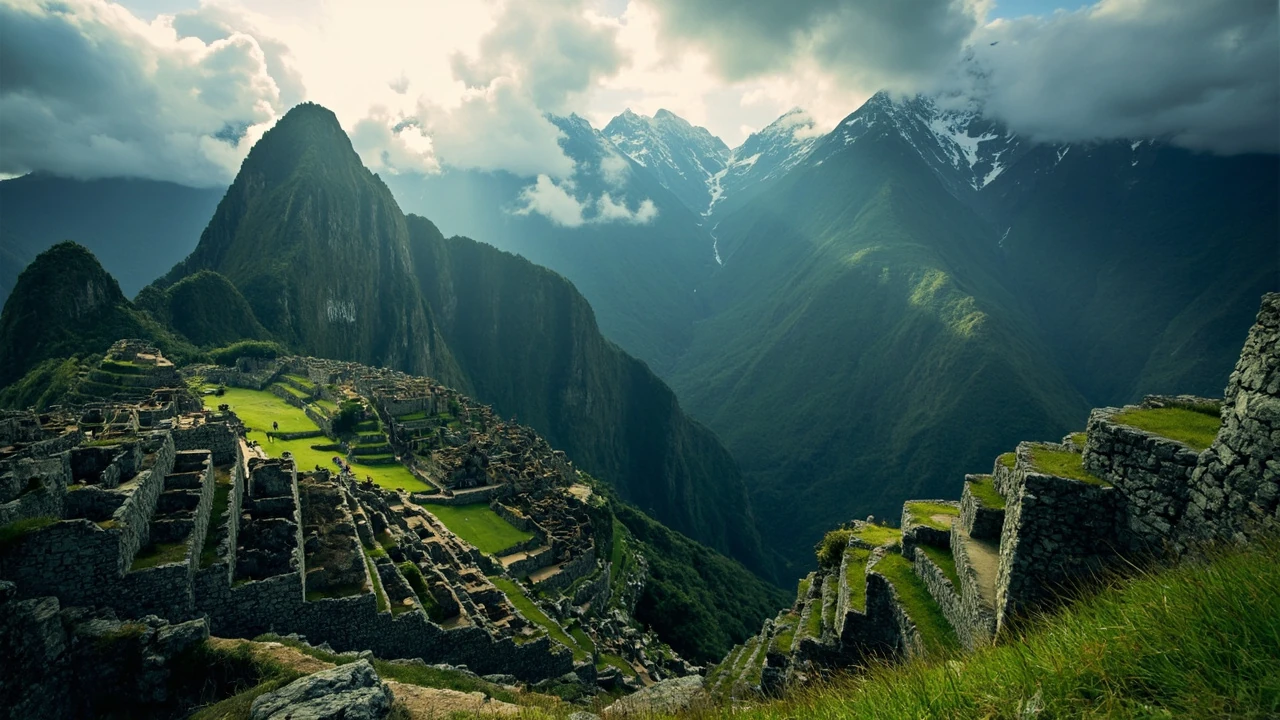
Machu Picchu is the site most travelers picture when they imagine visiting Peru, and the reality rewards careful preparation. The citadel occupies a high ridge with mountains around it, but the visitor experience is shaped by transport, entry rules, weather, and the physical demands of the route as much as by the ruins themselves.
Entry is organized around defined circuits and times rather than unrestricted access. Travelers should use the official Ministry of Culture and Foreign Trade information and the authorized ticket channel when checking availability. Since 2011, officials have used a daily visitor cap to help protect the site, so reserving early is a sensible plan when dates are flexible. For additional context, BBC Travel’s Machu Picchu guide provides a useful independent overview of the site, the pressure on the Inca Trail, and the importance of advance booking.
Most visitors arrive by train, although a road-and-walking alternative is available. The train route usually provides a more gradual transition toward the site, while the alternative involves more walking and can be more demanding. Neither option eliminates altitude effects because the citadel itself remains at substantial elevation. The Salkantay Trek can also lead to Machu Picchu, but it is a multi-day trek rather than a quick substitute for the train.
Choose a circuit based on your interests and current access rules, not simply on the first option shown in a search result. Allow time to walk through the terraces, agricultural areas, stone buildings, and viewpoints without turning the visit into a race across a checklist. Short queues and weather changes can affect how long the site takes.
Pack for sudden rain, strong sun, slippery paths, and cool conditions rather than treating the Andes as a uniformly hot destination. A rain layer is often more useful than a heavy winter coat. Trekking poles can help on uneven ground, but visitors should follow site guidance about what can be carried.
- Book the official entry for a date and circuit you can genuinely use.
- Confirm the train or alternative access separately from the archaeological-site ticket.
- Build in a flexible buffer for delayed trains, weather, and slower walking.
- Arrive with water, sun protection, and layers rather than relying on a single bag.
- Expect regional vendors and organized visitor services, but verify quality and price before accepting any service.
Machu Picchu deserves more than a brief stop. The best experience comes from understanding how the citadel fits into the surrounding landscape and from allowing enough time to observe the site without feeling hurried by a schedule created for maximum efficiency.
Continue south to Huacachina, Nazca, Colca, and Arequipa
Southern Peru compresses several dramatic environments into one route. Travelers move from the Sacred Valley through mountain passes and highland settlements toward coastal desert, then climb again toward Colca Canyon and Arequipa. Bus journeys can be long, but the changing scenery is part of the experience.
Huacachina is an oasis town surrounded by sand dunes. Popular activities include sandboarding, desert buggy rides, and visits to a small lagoon. The activities vary in age and safety requirements, and operators do not all provide the same equipment or instruction. Choose a company with clear safety practices, inspect vehicles, and avoid treating every desert excursion as interchangeable.
Nearby, the Nazca Lines remain mysterious at a distance because their scale is difficult to appreciate from ground level. Sightseeing flights provide an aerial perspective, while viewing towers and nearby sites can help visitors understand the environment where the geoglyphs were made. Flight operators differ in aircraft type, flight duration, weather handling, and viewing time, so compare inclusions rather than choosing solely by price.
Colca Canyon lies at a much higher elevation and is best treated as a full-day or overnight excursion from Arequipa. Condor viewpoints are one of the signature experiences, but sightings depend on weather, flight activity, and the time of day. Nearby towns offer markets, hot springs, and traditional weaving. Treat cultural encounters as interactions with communities rather than scheduled performances for tourists.
Arequipa has its own appeal as a well-preserved colonial city built from white volcanic stone. The central area is compact and walkable, while the cloisters of Santa Catalina and other museums require dedicated visits. Because Arequipa sits at elevation, the city can also serve as a base for acclimatization before longer journeys into the highlands.
| Southern stop | Primary experience | Recommended length | What to verify |
|---|---|---|---|
| Huacachina | Oasis scenery and desert activities | One day or overnight | Operator safety, equipment, age restrictions, and heat protection |
| Nazca | Aerial or ground views of the geoglyphs | Half day to one day | Flight conditions, aircraft, insurance, and current availability |
| Colca Canyon | Condor area, villages, hot springs, and weaving | One day or overnight | Weather, road conditions, guide services, and altitude |
| Arequipa | Colonial architecture and museums | Two or three days | Museum hours and advance requirements for major sites |
The southern route rewards travelers who are willing to move slowly and pay attention to altitude. It also offers more variety than a single Machu Picchu itinerary, making it a strong choice for a longer trip focused on landscapes as much as built heritage.
Use Lake Titicaca to slow down and meet island communities
Lake Titicaca sits high in the Andes and extends across Peru and Bolivia. The Peruvian side includes Puno, the islands of Uros and Taquile, and rural communities around the lake. It offers a different rhythm from the archaeological centers and desert routes: travel by boat, focus on living traditions, and spend time with communities whose daily lives are closely connected to the water.
The floating islands of Uros are built from totora reed and have become a distinctive destination. Visits generally involve boat travel, an explanation of island construction, and opportunities to see homes, schools, crafts, and community activities. Local residents are not simply exhibits; they are tour guides, teachers, artists, families, and business owners.
Taquile is known for its woven textiles and distinctive island setting. Visits may include a walk through the community, an explanation of weaving traditions, and time to browse cooperative work. Respect for cultural practices matters. Ask before photographing ceremonies, private homes, or individuals, and purchase crafts directly through clearly identified community cooperatives where possible.
Do not attempt both islands in a rushed half-day unless the schedule genuinely suits it. A longer stay gives the lake more context and reduces the feeling that the visit is only a photo stop. Travelers can also consider slower regional travel around Puno, though road distances and high elevation should be taken seriously.
The lake’s proximity to Bolivia makes it a natural extension for travelers continuing across the continent. It is less suitable for a short stop between major cities because the distance and altitude require meaningful travel time. A simple comparison helps clarify how this destination differs from Peru’s better-known archaeological landmarks.
| Choice | Best experience | Ideal stay | Main consideration |
|---|---|---|---|
| Uros | Floating islands and reed construction | One carefully planned day | Choose a respectful community-led visit and allow for boat transfers |
| Taquile | Island scenery and textile traditions | Half day to full day | Respect privacy and learn the meaning of woven patterns |
| Lake Titicaca region | Highland landscapes and slower regional travel | Two days or more | Altitude and long distances require an unhurried itinerary |
Among famous landmarks in Peru, Lake Titicaca is less immediately recognizable than Machu Picchu, but it offers one of the clearest opportunities to encounter the country as a living cultural landscape rather than only through ruins.
Build an itinerary that accounts for altitude, transport, and recovery
A workable Peru itinerary needs more than a list of desired attractions. Each addition creates another transfer, another accommodation change, and another opportunity for fatigue. The most common planning mistake is treating travel time as a neutral line between two sightseeing blocks.
Use a simple sequence when comparing your options:
- Choose the main regions. Decide whether Lima, the Cusco area, and the south belong in the same trip or should be split across separate visits.
- Add recovery time. Build an acclimatization buffer into the first days in Cusco, Puno, Colca, or other high-altitude locations.
- Place fixed reservations first. Confirm Machu Picchu access and any other date-dependent arrangements before booking less flexible transport.
- Group nearby stops. Combine sites that share a natural route and avoid repeating a journey in the opposite direction.
- Reserve buffer days. Leave room for weather, delayed buses, flight changes, and the simple need to rest.
This approach also helps travelers understand when a shorter trip is better. Lima, Cusco, the Sacred Valley, and Machu Picchu can form a satisfying first visit without forcing the south into an already packed schedule. Adding Puno, Lake Titicaca, Colca, or Arequipa becomes more realistic if you have two additional weeks and prefer local transport over a fast checklist.
Pack in layers rather than around a single climate stereotype. Coastal cities can be humid and mild, desert locations hot and dry, while the highlands may be cold even during warmer seasons. Sun protection, water, a compact rain shell, comfortable walking shoes, and any medication recommended by a clinician are more useful than a large collection of specialized gear.
Before departure, verify passport and entry requirements through official government channels, arrange travel insurance appropriate for the activities and altitude, and download offline maps. Keep copies of important reservations and emergency contacts. The following order makes the final review manageable:
- Confirm flights and the sequence of regions before purchasing inflexible ground transport.
- Check official entry, operating, and ticket information for each major site.
- Carry enough medication for delays and do not place it in checked baggage.
- Review high-altitude symptoms and seek appropriate medical advice when needed.
- Prepare for sun, rain, changing temperatures, and uneven walking surfaces.
When these details are handled well, travel feels easier. The itinerary no longer depends on whether every vehicle leaves on time, and each landmark receives the attention it deserves.
Frequently asked questions
What are the most famous landmarks in Peru?
Machu Picchu is the best-known archaeological site, while Lima and Cusco are major cultural destinations. Other prominent choices include the Sacred Valley, Lake Titicaca, Nazca Lines, Huacachina, Colca Canyon, and Arequipa. The best options depend on whether your priorities are archaeology, food, landscapes, photography, or local culture.
How many days should I spend in Peru?
A first trip covering Lima, Cusco, the Sacred Valley, and Machu Picchu generally needs around ten to fourteen days when transportation is considered. Colca Canyon, Arequipa, Puno, and Lake Titicaca require additional time. A shorter visit works best if you choose one or two regions rather than crossing the country repeatedly.
Is Machu Picchu worth visiting if it is crowded?
It can still be worthwhile when the visit is planned properly. Early entry times, the correct circuit, and enough time to explore the terraces and buildings make a substantial difference. A large number of visitors does not mean every route feels equally busy, so advance reservations and a well-timed arrival are important.
Do I need to acclimatize before visiting Machu Picchu?
Yes. Cusco and the Machu Picchu region are at substantial elevation, and a direct flight followed by strenuous walking may cause symptoms in some travelers. Arrive in Cusco early, rest, keep activity moderate at first, and follow medical guidance. Travelers with heart or respiratory conditions should discuss the journey with a qualified clinician before travel.
Can I visit the Sacred Valley and Machu Picchu in one day?
It is technically possible, but it produces a rushed day with limited time in each place. The Sacred Valley contains multiple sites, while Machu Picchu requires your own entry time and transportation sequence. Overnight stays around the valley can make the pace more comfortable, although they do not remove the need for a carefully planned transfer.
Is Lake Titicaca worth the long trip from Cusco?
It is worth considering if you have enough time and prefer cultural encounters with living communities over additional archaeological stops. The lake offers distinctive islands, highland scenery, and a slower travel rhythm. If the journey would shorten your time in Cusco or create repeated long transfers, it may not fit your itinerary.
What is the best way to travel around Peru?
The best method depends on the route. Flights are efficient between major cities, while buses and trains can provide scenic travel at a lower price. A combination usually works best: fly between distant regions and use trains or road transport for closer connections. Leave buffer time because highland road conditions and weather can affect schedules.
Are the Nazca Lines better seen from the air?
An aerial viewing flight reveals the scale and arrangement of the geoglyphs more clearly, but it is not the only way to understand the site. Nearby viewing points, museums, and a local guide can provide historical and geographic context. If you fly, compare the aircraft, viewing time, weather policy, and included ground transportation with a reputable operator.
What should I pack for Peru’s famous landmarks and high-altitude sites?
Pack layers, sturdy walking shoes, sun protection, water, and a rain-resistant outer layer. Conditions differ sharply between the coast, desert, and highlands. At archaeological sites, a small day bag is more manageable than a large suitcase. Keep medication and essential documents accessible rather than in checked luggage.
Which famous landmarks in Peru are best for travelers with limited mobility?
Lima’s main museums and historic areas offer more choices for shorter walks and accessible transport, although individual buildings vary. Major mountain and archaeological sites may involve uneven paths, stairs, steep terrain, or altitude. Ask each venue about current access, consider a private vehicle where appropriate, and avoid assuming that a famous view is physically effortless.
Before locking the itinerary, verify official entry rules and operating details, confirm every reservation, and leave enough space for altitude and travel delays. A shorter route planned with care is usually more rewarding than a longer list completed in a rush.

Leave a Reply