
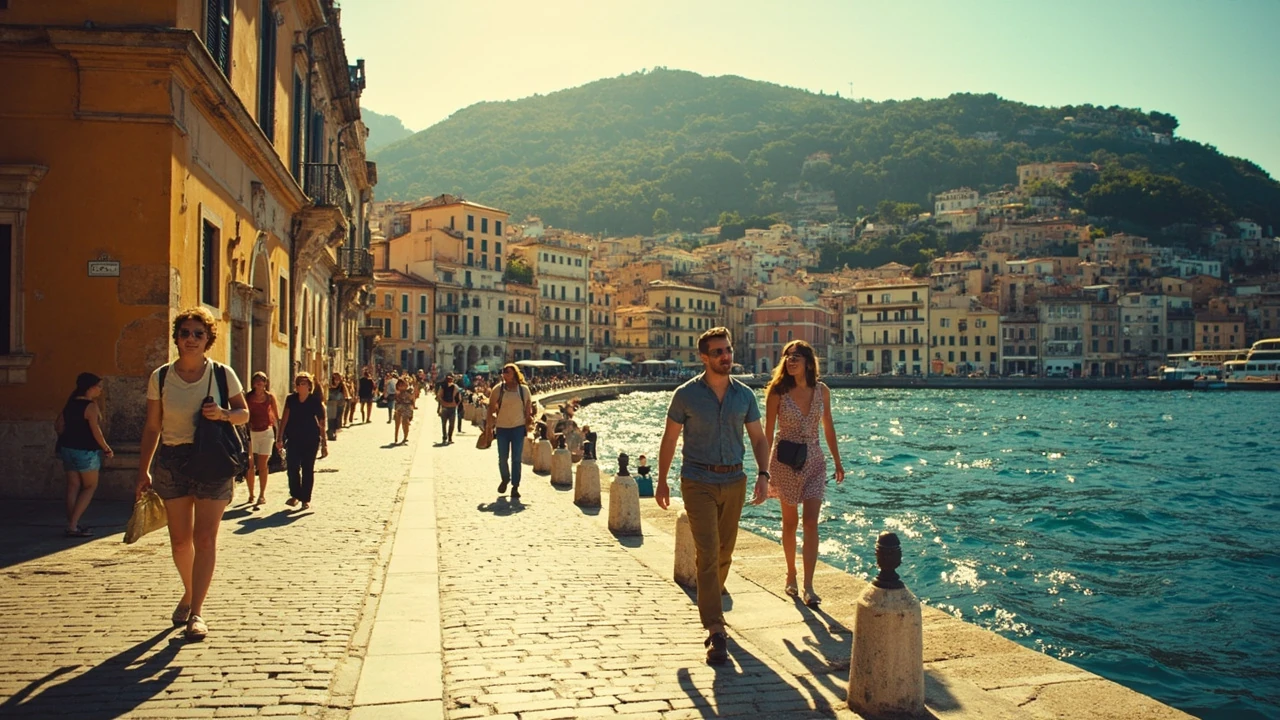
genova italy: why this port city deserves more than a stopover
A first visit to genova italy can be confusing if you treat it only as a transportation hub between Milan, French cities, and the villages of Cinque Terre. The city rewards travelers who slow down. Its historic center follows the harbor rather than a rigid grid, colorful façades rise behind narrow lanes, and the old city climbs toward wooded hills. At street level, the contrast is striking: port activity, daily neighborhood life, Renaissance palaces, small churches, and contemporary cafés occupy the same compact area.
Genova—called Genoa by many English-speaking visitors and Genova by locals and many European travelers—has a long maritime history. Christopher Columbus was born here, and the former Republic of Genoa developed one of Europe’s important port cities. That history is visible in monumental stairways, painted palaces, fortifications, and the old harbor, but the city is not simply a museum. It is also a working port and a place where people commute, shop, dine, study, and meet beside the water.
This guide focuses on the practical side of planning a city break: how to choose an area, build a realistic itinerary, understand the compact old town, and add coastal excursions without spending the entire trip in transit. The best visit balances two experiences that are easy to miss if you have only a few hours: the layered streets of the historic center and the everyday neighborhoods beyond the busiest waterfront.
You do not need a packed list of every church and museum to understand the city. A better approach is to choose two or three anchor areas, learn how the moving walkways, funiculars, buses, and trains fit together, and leave room to wander. That method works for a weekend, a longer stay, or a day visit organized from a nearby coastal base.
How to plan your visit to genova italy
Start by deciding how much of the city you want to explore on foot. The historic center is walkable, but it is not flat. Streets that look close on a map can involve steep stairs, lifts, or a change in elevation. Comfortable shoes matter more than a carefully packed outfit, particularly if you want to reach viewpoints above the harbor or neighborhoods such as Boccadasse.
For most first-time travelers, two full days provide enough time for the major old-town sights, a harbor walk, and one nearby coastal excursion. Three days allow a gentler pace and make it easier to include food-focused stops, a museum, and a morning in Nervi. One day is workable for the center, though it leaves little room for the hills or the coast.
| Time available | Best approach | What to prioritize | What to skip or defer |
|---|---|---|---|
| One day | Stay near the historic center and follow a compact walking route. | Harbor, Piazza De Ferrari, Via Garibaldi, Palazzo Rosso area, and a meal in the center. | Several distant day trips in the same visit. |
| Two days | Divide the city between the old center and an outer neighborhood. | Major palaces and churches, Boccadasse, and one nearby coastal stop. | Attempting to cover both Genoa and all of Cinque Terre. |
| Three or more days | Use trains and buses for farther excursions and reserve a slower day. | Nervi, Portofino, Cinque Terre, or another selected coastal destination. | Rushing between distant towns on the same afternoon. |
A good arrival-day checklist prevents most avoidable problems:
- Confirm your accommodation area. Check whether you will be arriving by train, bus, or car and whether the hotel requires a taxi transfer from a station outside the center.
- Save offline maps. Mobile service and battery life can vary during long walks, especially on steep routes.
- Learn the names of key stops. At minimum, identify the station, central square, harbor, and your lodging in the local transport network.
- Carry a reusable water bottle. Public fountains and shops may have different refill practices, so fill it before beginning a long walk.
- Check current transport notices. Service arrangements can change, and some waterfront routes involve elevators or funiculars whose operation should be confirmed for your travel date.
Pack for layers rather than for a fixed weather forecast. The Ligurian coast can feel mild in a sheltered harbor while being cooler on an exposed promenade. Shoes should grip steps that may be worn smooth. A light rain layer is useful even when the morning forecast looks clear because conditions can change quickly along the coast.
Choose your neighborhood according to how you want to travel
The most useful neighborhood decision is not simply “close to the center.” It depends on whether your priority is atmosphere, transport convenience, access to trains, or a quieter evening. Genoa’s center includes several distinct areas, and each offers a different balance.
Historic center and waterfront
Stay near the area around Piazza De Ferrari, Via Garibaldi, or the old harbor if you want easy access to restaurants, museums, major sights, and transport connections. The advantage is convenience. The disadvantage is that you may hear street noise, especially if your room faces a busy street. Ask for a courtyard-facing or upper-floor room when possible.
New Town and Piazza Principe
The modern center around Piazza Principe, Principe station, and Corso Italia is practical for travelers arriving by train. Services, supermarkets, buses, and casual restaurants are easier to find in this part of the city. It is less atmospheric than the old center but can be a sensible value-oriented base.
University district
Areas near the university have a younger atmosphere, affordable restaurants, and convenient rail connections. Expect a mixture of students, residents, and visitors. This is useful if you prefer lively evenings and do not need every major attraction within a short walk.
Hill neighborhoods
Stays above the center can provide views over the harbor and a quieter sense of daily life. They are less convenient for visitors with heavy luggage, limited mobility, or an early train departure. Check the route from your accommodation to the nearest transport stop before booking.
Boccadasse and eastern waterfront
Boccadasse is visually memorable and well suited to an evening out, but it is not an ideal base for travelers who need fast access to central rail connections. Staying farther east may suit a relaxed coastal trip, though daily movement takes longer. If you prefer Greece’s coastal villages, the Ionian Islands guide offers a useful contrast between two very different Mediterranean itineraries.
| Area | Best for | Main advantage | Main drawback |
|---|---|---|---|
| Old center and harbor | First-time visitors and short stays | Major sights and restaurants are close together | Higher accommodation demand and occasional noise |
| Piazza Principe area | Train arrivals and convenient transport | Easy access to rail, buses, and services | Less of the old-city atmosphere |
| University district | Budget travelers and lively evenings | More casual dining and convenient trains | Some sights require a longer walk or ride |
| Upper hills | Quiet stays and panoramic views | Space, calm, and city panoramas | Steep access and less convenient evenings |
| Boccadasse | Relaxed coastal visits | Distinctive seaside setting | Farther from many central sights |
Wherever you stay, book the room for the experience you want rather than for the lowest headline price. A slightly higher budget near the center can save daily transport time, while a room farther out may be better if you plan to spend whole days outside the city.
A practical first day in the historic center
Begin with the harbor and Piazza De Ferrari, then follow the old streets uphill and return toward the waterfront. This route introduces Genoa’s defining combination of maritime history, civic architecture, and densely layered lanes without requiring a long journey across town.
- Start at Piazza De Ferrari. Use the square as your reference point and get oriented before entering the narrow side streets.
- Walk along Via Garibaldi. This major route links civic buildings, palaces, shops, and the center of town. Notice how the street changes character as you move toward the old harbor.
- Visit a major palace or museum. Choose one collection based on your interests rather than trying to enter every cultural site.
- Have lunch nearby. A simple meal leaves more energy for the afternoon and prevents the day from becoming a race between attractions.
- Explore Piazza della Nunziata and the surrounding streets. The area offers a useful view of the city’s church architecture and everyday street life.
- Continue toward Castello and the waterfront. The route opens onto major historic buildings and the old port.
- Finish with a harbor walk. Sunset is especially attractive from the breakwater area, although the exposed waterfront can be breezy.
Two historic sites deserve particular attention. The For additional context, history of Genoa explains why so many palaces and defensive structures cluster around this small port area. The city’s maritime republic accumulated wealth through trade and maintained connections around the Mediterranean, giving it a history much broader than the picturesque old center alone suggests.
The waterfront is best treated as a sequence of distinct places rather than one uninterrupted promenade. The old harbor is enclosed and lively. Castello opens toward larger harbor basins. Farther east, the waterfront widens into the Corso Italia area and continues toward Boccadasse and Nervi. If you want the classic harbor image, stay around the old port. If you want a long seaside walk, begin later and make sure you know when you plan to turn back.
For visitors who want a structured overview, a detailed Genoa itinerary guide provides useful route ideas and notes on major sights, including the waterfront, Via Garibaldi, Boccadasse, and Nervi. Treat published prices and visitor information as historical references rather than current instructions, and confirm details directly with each attraction or transport operator.
Keep the first day relatively simple. You are learning the city’s layout, testing which walking pace suits you, and discovering which meals appeal to you. The second day can then be planned around the neighborhoods and coastal scenery that appeal most.
Explore Boccadasse, Nervi, and the city’s eastern waterfront
Boccadasse and Nervi offer a different image of genova italy. Boccadasse is compact, colorful, and immediately photogenic, with a small harbor surrounded by pastel buildings. It works well for an evening promenade or aperitivo. Nervi is broader and more residential, with a coastal walkway and pebble sections of shoreline. It suits travelers who want open air and a slower day rather than another dense sequence of monuments.
For Boccadasse, combine the visit with a walk back along the waterfront rather than treating it as an isolated photo stop. Corso Italia offers a long, relatively level route above the shore and passes through changing neighborhoods. Stop for a drink or dinner near Boccadasse, then continue west at sunset. Wear shoes suitable for a sustained walk, and carry water if the return feels long.
Nervi is more convenient when you want to spend the better part of a day outdoors. The walk from the station area toward the waterfront passes through greenery and residential scenery before reaching the shore. Swimming may be possible during suitable seasonal and weather conditions, but access rules and conditions change. Check current local information, heed posted warnings, and do not enter the water when conditions are unsafe.
You can combine the two areas, but doing so requires a sensible order. Start in Nervi during the quieter morning, take lunch in or near the town, and continue toward Boccadasse later in the day. Finish with an evening beside the small harbor. This avoids the awkwardness of carrying beach gear across the city and gives you both the relaxed and lively sides of the eastern coast.
Public transport is usually more efficient than switching transport several times. Regional trains connect Nervi with the central stations, while buses serve parts of the eastern waterfront. Confirm the current route and stop on the operator’s site or at the station. A paper ticket purchased for one journey may not cover every combination of train, bus, and funicular, so ask about the appropriate pass before committing to a busy travel day.
A coastal excursion also benefits from flexible timing. Leave enough room to return before dark if you are unfamiliar with the local bus network. During summer, waterfront areas can become busy, and traffic may slow movement around Boccadasse. A later evening departure may be easier than trying to move during the busiest period.
What to eat and drink in genova italy without making every meal a quest
Genoa is associated with Ligurian cooking, but the city is also a port, so seafood is only one part of the table. The practical challenge is choosing the right level of ambition. You can eat extremely well without dedicating an entire afternoon to finding a famous restaurant, and a casual meal may suit a walking day better than a formal dining room.
Start with a few regional specialties:
- Focaccia, often served with a simple topping or used as the base of a sandwich.
- Fresh pasta, including filled pasta shapes associated with the Ligurian coast.
- Seafood, prepared in styles that range from simple preparations to more elaborate dishes.
- Ligurian vegetable dishes, including artichokes and greens often prepared with olive oil, garlic, and herbs.
- Local sweet and savory snacks, best chosen from a bakery or café where turnover is high.
The city’s position between the mountains and sea shapes the produce. Look for dishes featuring beans, vegetables, olive oil, herbs, and fresh pasta rather than assuming every meal is seafood-based. That is particularly useful for travelers who do not eat fish or prefer a lighter plate.
A restaurant near Piazza Banchi may offer a view of the harbor, but a busy dining room does not automatically mean better food. For lunch, a small trattoria with a short seasonal menu can be more satisfying than a large place catering to tourists. For dinner, check whether a reservation is required. Many respected neighborhood restaurants fill quickly, especially on Friday and Saturday evenings.
Street food works well as a bridge between meals. A piece of pizza, a filled pastry, or focaccia can prevent an unplanned late-afternoon hunger stop. Look for places where food is cooked on site and turnover is quick. Avoid making an entire meal from snacks, however; save room for a proper dinner if you want to experience the region’s cooking.
Italian dining customs also affect the pace of the evening. A dinner may begin later than in the United States, particularly on weekends, and a meal ordered without understanding the courses can stretch longer than planned. If you have a train or performance to catch, mention the timing when booking and order dishes at a normal pace. If you do not have a fixed schedule, staying for the full meal is part of the experience.
For drinks, ask about local beverages rather than assuming an aperitivo includes a substantial meal. Some venues offer a drink with light snacks, while others charge more for table service or additional food. Read the stated terms before ordering so that the cost matches your expectations.
Choose coastal day trips carefully
Genoa is a strong base for the Ligurian coast, but the surrounding region contains many destinations with different travel times and access requirements. A beautiful coastal town can consume an entire day once trains, local transport, walking, and lunch are included. Choose one destination for a first visit rather than placing three or four names on a single itinerary.
| Excursion | Best reason to go | Planning consideration | Best time to visit |
|---|---|---|---|
| Boccadasse | Distinctive harbor, waterfront walk, and evening atmosphere | Easy as a half-day or evening trip; buses and walks can be affected by crowds | Late afternoon through sunset |
| Nervi | Coastal scenery, relaxed outdoor time, and a local seaside atmosphere | Allow more time than a quick stop and check current access and weather conditions | Morning through late afternoon |
| Portofino | Harbor views, waterfront scenery, and a well-known coastal setting | Can become busy; plan the return rather than assuming immediate transport availability | Early morning or late afternoon |
| Cinque Terre | Clifftop villages, hiking, and access to the wider coastal landscape | Choose a specific village and allow time for trains, paths, crowds, and uneven terrain | A full day with an early departure |
Portofino and Cinque Terre require more planning than Boccadasse or Nervi. Trains can be direct or may require changes, and popular routes fill early during busy periods. Check the current timetable, identify your return journey, and avoid building the trip around a connection that leaves little margin for delay. Walking portions may also be more demanding than the village photos suggest.
For travelers interested in comparing coastal planning approaches, the Tanzania travel guide illustrates how transport, lodging, and excursion pacing can shape a much longer regional itinerary. The destinations are very different, but the practical principle is similar: select a realistic number of activities for the available time.
Weather affects the coast more than a city itinerary suggests. Rain can make exposed paths slippery, while clear skies still do not guarantee warm swimming conditions. Check a short-range forecast, ask official sources about trails and coastal access, and keep a backup plan that does not depend on boats or long outdoor walks.
When comparing coastal towns, consider what you want to experience rather than which one produces the most photographs. Boccadasse is compact and lively. Nervi suits a slower shoreline day. Portofino rewards an early visit. Cinque Terre offers dramatic scenery but requires more movement. Each is best treated as a selected day, not an additional box to tick during an already full stay.
Transportation, costs, and practical travel decisions
Walking is the best way to explore the historic center, especially around Piazza De Ferrari, Via Garibaldi, Castello, and the old harbor. The narrow lanes are confusing on a flat map because the city rises sharply inland. At the same time, walking saves the frustration of finding a bus stop or waiting for a lift.
Use public transport for the outer neighborhoods, the eastern waterfront, and longer journeys beyond the center. Options include buses, urban rail lines, regional trains, funiculars, and elevators integrated into pedestrian routes. Ticket validity varies by service and type of ticket, so confirm the fare for the exact journey. A travel pass can be helpful if you plan several rides, while a single ticket may be more economical for a limited itinerary.
Several useful operational rules can prevent mistakes:
- Validate where required. Some systems require passengers to validate or stamp a ticket before boarding.
- Check the direction before boarding. Similar-looking platforms and service boards can serve different lines or branches.
- Allow a margin for connections. A five-minute connection is risky if you have luggage, need a ticket, or are unfamiliar with the station.
- Keep the transit ticket until the end of the ride. It may be inspected during the journey.
- Use the funiculars and elevators as part of the route. They solve steep access problems that make an otherwise easy journey exhausting.
Budget for a daily travel pass if you expect several rides, and keep a little money available for buses, trains, luggage storage, and spontaneous transport changes. Hotel rates in the historic center can rise sharply during busy periods, while accommodation near the railway and university districts may offer more choice. Choose the area that matches your itinerary rather than booking solely from a map distance.
For meals, reserve only the dinners that require it and leave room for spontaneous stops. A city break becomes more enjoyable when one afternoon remains unstructured. The waterfront, a neighborhood café, or a long lunch may become the part of the trip you remember most clearly.
Keep valuables secure in crowded areas around stations, transport stops, and popular landmarks. Pickpocketing is more relevant than aggressive theft for most visitors, so use a zipped bag and avoid displaying valuables in crowded cafés or on trains. Normal urban awareness is sufficient; there is no need to let unfamiliar surroundings control the entire day.
Emergency and health services differ for visitors from the United States. Carry travel insurance that covers relevant medical care, and know how to contact your insurer if treatment is needed. Bring any essential prescriptions in their original packaging, along with a copy of prescriptions where appropriate. Dialing and public-service conventions may differ, so save local emergency numbers before arrival.
Finally, respect local rules in historic churches, religious sites, and residential districts. Quiet voices and consideration for residents matter in a dense city where tourism competes with daily life. Photograph buildings and public spaces without blocking narrow passages, and avoid sitting or picnicking directly in front of doorways.
Frequently asked questions
Is genova italy worth visiting for a day?
Yes, if your day focuses on the historic center, harbor, and nearby waterfront. You can see the major palace and church areas, walk along the water, and have lunch or dinner in the city. Add Boccadasse only if you are willing to spend more time on transport and walking. For a single day, stay in the center and avoid adding a distant town such as Cinque Terre.
How many days should travelers spend in Genoa?
Two days are ideal for most first-time visitors because they allow time for the old center and one outer neighborhood without excessive rushing. Three days provide a more comfortable pace and make day trips easier. A longer stay rewards travelers who want to explore the hills, study particular museums, or visit the coast without treating every excursion as part of a fixed checklist.
What is the best area to stay in Genoa?
The historic center is best for atmosphere and convenient access to major sights. Piazza Principe and the university district are practical for rail travelers, budget-conscious guests, and people who want easy access to services. Boccadasse suits a relaxed coastal trip but is less convenient for central sightseeing. Compare transit times from the exact property rather than relying only on neighborhood names.
Is Genoa suitable for travelers with limited mobility?
Parts of the center, including the waterfront, major palace areas, and the old harbor, can be visited with a carefully planned route. Elevators and funiculars can bridge some steep sections, but not every historic street is level. Ask your accommodation for a step-free route and confirm current elevator operation before travel. A lightweight folding wheelchair may be useful on cobbles even when elevators are available.
Can I visit Cinque Terre from Genoa for a day trip?
You can, but it requires a full day and careful planning. Select one or two villages rather than trying to see all five, check the current rail itinerary, and allow enough time for waits, walks, meals, and the return journey. Crowds and path conditions can affect the experience. If you want a gentler coastal day, Boccadasse or Nervi may suit you better.
Is Genoa expensive for American travelers?
Costs depend on the season, accommodation area, and your itinerary. Central hotels and restaurants can be expensive, especially during busy travel periods. Affordable options are more common near the railway and university districts, and a mix of casual lunches, markets, and reserved dinners can control food spending. Compare prices in euros and check whether a quoted total includes taxes or city charges.
What is the best way to get around the city?
Walk in the historic center and use public transport for outer neighborhoods and the eastern waterfront. Regional trains are useful for Nervi and farther coastal towns, while buses and urban rail cover additional routes. The city includes funiculars and elevators for steep areas. Check current timetables, ticket rules, and any planned service changes before each major journey.
Do I need to make restaurant reservations in Genoa?
Reservations are most useful for popular dinner venues, especially on Friday and Saturday evenings and during busy summer months. Many casual cafés and trattorias serve walk-in guests, but popular lunch spots can also become busy. Ask the restaurant how long a meal should take and plan around train departures or other fixed appointments.
Is it worth staying beyond the city center?
Yes, if you prefer quieter evenings, local residential streets, or easier access to the coast. The trade-off is a longer commute to major attractions and restaurants. Consider how much time you will spend returning to the lodging, whether your room has elevator access, and how the route behaves after dark. A few days in the outer neighborhoods can be especially rewarding if you are not trying to rush through a checklist.


Leave a Reply