
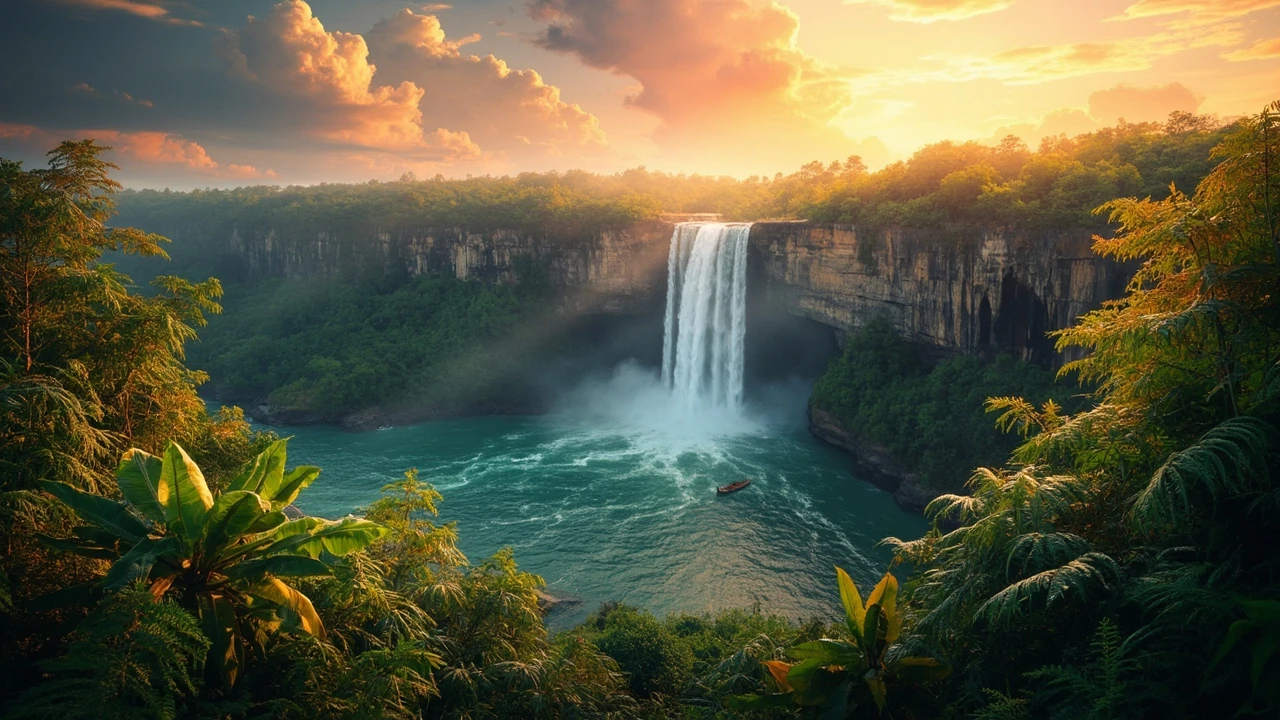
Choosing Venezuela places to visit can feel straightforward until the country’s enormous geographic variety becomes clear. Angel Falls and the tepuis of Canaima offer wilderness, while the Caribbean coast supports island trips, beach stays, and hiking. Caracas provides museums, food, and urban culture, but the pace and security considerations differ sharply from those of a remote national park. A workable plan depends on where you want to go, how much time you have, and how you intend to move between regions.
This guide compares the strongest destinations for different interests while separating the experience of the landscape from the practical difficulty of reaching it. It also addresses the checks that matter before booking international flights, including entry rules, medical preparation, cash management, local transportation, and current official security guidance.
Venezuela places to visit: how to choose the right destinations
Venezuela is large enough that “a trip to Venezuela” can mean very different journeys. A traveler seeking monumental natural scenery may be perfectly happy with long transfers and remote lodges. Another visitor may prefer a short city break with easy access to restaurants, museums, and the coast. The best places are therefore not simply a ranked list; they are options matched to different tolerances for travel time, altitude, heat, and limited infrastructure.
Start with three questions. First, how many days can you spend in transit? Flying between Caracas and the main regional hubs is usually more practical than trying to cover the country by road, although schedules and availability change. Second, do you want dramatic wilderness, historical and cultural stops, or a beach-focused trip? Third, how much flexibility can you accept if weather, road conditions, or security guidance changes your plans?
The following comparison shows where each major destination fits best. It is designed to help you build a focused itinerary rather than collect too many disconnected stops.
| Destination | Best for | Typical travel style | Main consideration |
|---|---|---|---|
| Angel Falls | Waterfalls and remote adventure | Multi-day stay reached through Canaima | Weather-dependent visibility and remote access |
| Canaima National Park | Tepuis, rivers, and Indigenous culture | Three or more days with an organized expedition | Long distances and limited medical support |
| Mérida and Pico Espejo | Mountains, cafés, and outdoor activities | Two to four days in the Andes | Altitude and changing mountain conditions |
| Los Roques | Islands, boating, and marine scenery | Several nights based on Gran Roque | Weather can affect boating plans |
| Morrocoy and the coast | Beaches, mangroves, and protected coast | A relaxed stop near the central coast | Transport is easier with local assistance |
| Médanos de Coro | Dunes, desert wildlife, and photography | A focused two- or three-day visit | Extreme heat and limited services |
| Henri Pittier National Park | Birding and cloud-forest hiking | A stay around the park and coast | Rain and rough trails require preparation |
| Caracas | Food, museums, and urban culture | One or two days before a regional transfer | Neighborhood-level planning and situational awareness matter |
Most first-time visitors benefit from using Caracas or another major gateway as a short orientation stop rather than trying to base an entire itinerary there. The strongest all-around combination is usually Canaima for landscapes, the central Caribbean coast for beaches, and Caracas for urban experiences. Add Mérida only if the mountain portion of the trip matters enough to justify the extra travel.
- For one week: Choose two nearby regional experiences rather than attempting a complete tour of Venezuela.
- For two weeks: Pair a remote destination with a slower coastal stay and one urban stop.
- For families: Favor destinations with established lodging, planned activities, and shorter transfer times.
- For serious hikers: Prioritize weather, trail conditions, guide availability, and an appropriate emergency plan.
- For budget travelers: Confirm the full cost of charter flights, ground transfers, lodging, meals, and park fees before the trip becomes cheaper in theory.
Angel Falls, Canaima, and the Venezuelan tepuis
Angel Falls is Venezuela’s best-known natural landmark, but the experience is more than a viewpoint beside a distant waterfall. The falls drop from the Venezuelan table mountains, and the classic journey takes travelers by boat and light aircraft through the jungle toward the base area. Visibility depends on cloud, mist, river conditions, and the position of the sun. A trip built around one dramatic photograph is therefore more fragile than one that includes the surrounding landscape and allows for changing conditions.
Canaima National Park offers the broader experience. Its rivers, islands, waterfalls, and flat-topped tepuis make it one of the continent’s most distinctive wilderness destinations. Trips generally operate from the park’s main settlement, where visitors gather for excursions. From there, the scale of the landscape becomes clear: a short boat ride can place you beneath enormous cliffs that were difficult to appreciate from an aircraft.
When comparing a short Angel Falls visit with a longer Canaima itinerary, consider the following:
- Time: A flight-and-river excursion can consume much of a day. Multiple park days give you better opportunities for clear skies, alternate viewpoints, and a less rushed experience.
- Comfort: Overnight lodging in and around the park is simpler than moving between several remote camps. Confirm what the accommodation includes before assuming meals or transportation are separate.
- Physical demands: Boat boarding, uneven paths, humidity, and long periods of waiting can be more tiring than the activity itself.
- Communication: Do not rely on dependable cellular service in the park. Download offline maps and preserve emergency contacts before leaving the main settlement.
- Weather: Keep at least some schedule flexibility if the waterfall or aerial views are a central objective.
Canaima can reward travelers who accept slower travel. Morning light often offers excellent views of the rivers and cliffs, while late-day boat trips provide a different perspective on the scale of the tepuis. Guided activities help explain local history and ecology, but the best operator for you depends on current local arrangements, safety practices, and the specific route—not on a generic “best tour” label.
Pack for rain even during a dry season, use a dry bag for electronics and travel documents, and bring footwear that handles wet landings. Insects are present, so plan for repellent and appropriate skin coverage. Avoid using a drone without confirming the applicable rules and local permissions; restrictions vary by site and can change.
Mérida, the Andes, and settlements built around the mountains
Mérida sits in the Venezuelan Andes and offers a different rhythm from the lowland parks and Caribbean beaches. The city is compact enough to explore on foot, with cafés, restaurants, independent shops, and the cable car rising toward the mountains above it. Pico Espejo, reached by the cable car and a series of walking or scrambling sections, is the best-known highland destination. Conditions on the mountain should never be treated as casual park weather: altitude, fog, rain, and exposed terrain can change the difficulty quickly.
For travelers who want scenery without a high-altitude ascent, the city can work as a base for a slower stay. The Mérida cable car is a convenient way to reach the highland area, but queues, operating status, and weather closures should be confirmed locally. A visit to the higher slopes does not automatically require technical climbing equipment. The exact trail and activity should match your experience, and a local guide can be valuable when visibility or route conditions are uncertain.
Nearby mountain communities and day-trip destinations offer further choices, though transport should be arranged rather than assumed. Consider these planning priorities:
- Allow time to adjust to the elevation before attempting strenuous activity.
- Carry water, sun protection, and a warm layer, since mountain temperatures can differ sharply from the city below.
- Check whether an activity can be affected by rain, high winds, or trail maintenance.
- Ask the operator which route is being used and what emergency support is available.
- Keep your first day flexible so a delayed flight or transfer does not compress the main outdoor experience.
Colonia Tovar, reached through the mountain region west of Mérida, provides a German-influenced cultural and architectural contrast. It suits travelers looking for a quiet, cooler environment and local food traditions rather than a major sightseeing checklist. Because it is farther from Caracas and Mérida, combining it with Pico Espejo requires more time than simply adding it as another city stop.
The Andes are best treated as a self-contained chapter of the trip. Trying to combine them with Canaima, the Paraguaná Peninsula, and several Caribbean locations within a short vacation can turn the holiday into a sequence of rushed transfers.
Los Roques, Morrocoy, and Venezuela’s Caribbean coast
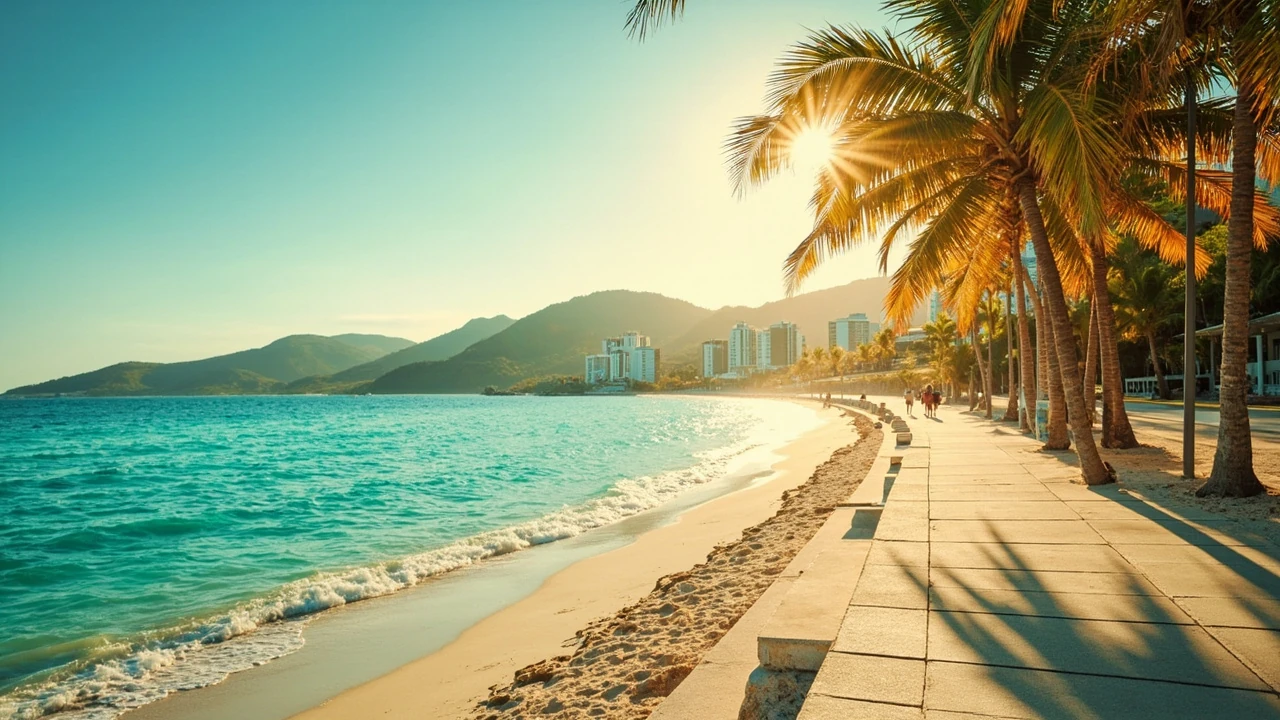
The Caribbean side offers some of the easiest opportunities to slow down. Los Roques is an archipelago with a strong identity built around fishing, boating, island life, and marine tourism. Most visitors use Gran Roque as a base and use boats to reach smaller islands for beaches, snorkeling, diving, or meals. The destination works well for couples, groups of friends, and travelers who want scenery without a demanding hiking itinerary.
Boat-based plans depend on the weather, and an island excursion may change or cancel when conditions are unsuitable. That flexibility is part of island travel rather than a service failure. Ask your operator how the group handles weather changes, what happens if a desired island is unavailable, and whether meals or equipment are included.
Morrocoy National Park offers a contrasting coast of mangroves, shallow bays, and keys near the central Venezuelan shoreline. Morrocoy is also associated with traditional boatbuilding, and the surrounding coast combines protected natural areas with long-standing local fishing traditions. Because public transport can be inconvenient or infrequent, a planned transfer or locally arranged excursion is usually the sensible approach.
Farther east, Playa Grande and the coast near Choroni provide another coastal chapter. These are not interchangeable with a resort area: access, services, and the rhythm of life vary considerably. The right choice depends on whether you want diving and water sports, remote beaches, village life, or a simple place to stay near the water.
| Coastal option | Best experience | Plan around |
|---|---|---|
| Los Roques | Island hopping, clear water, seafood, and a lively base at Gran Roque | Weather-dependent boat schedules and island transfers |
| Morrocoy | Mangroves, keys, coastal scenery, and boatbuilding heritage | Planned transport and limited availability at remote stops |
| Playa Grande | Long, less-developed Caribbean beaches | Current access conditions and distance from larger service centers |
| Choroni | A traditional coastal settlement and access to nearby beaches | Road conditions and the scope of available services |
Carry reef-safe sun protection, a light windbreaker, and a dry bag for electronics. Beach towns can have limited replacement equipment, so do not wait until you need a mask, fins, or a phone charger to discover it is unavailable. Keep cash in small, secure amounts and confirm whether your accommodation accepts cards, since connectivity and payment systems can be uneven outside major centers.
Médanos de Coro, Henri Pittier, and other landscapes beyond the classics
Médanos de Coro is Venezuela’s large dune field on the Paraguaná Peninsula. The landscape includes shifting sands, coastal views, dry scrub, and wildlife adapted to harsh conditions. It is a strong choice for travelers interested in geology, desert ecosystems, photography, or simply a landscape very different from the tropical south and the humid Caribbean coast.
The heat is the defining planning issue. Visits are best concentrated in the cooler periods of the day, with time reserved for recovery and hydration. Services are less comprehensive than in Caracas or the tourist islands, so transport should be arranged in advance or coordinated with a local guide. A vehicle suitable for the terrain may matter more than the distance between visitor attractions appears on a map.
Henri Pittier National Park, reached through the Aragua coast, is a serious destination for birders and hikers. Its cloud-forest habitat lies between the Caribbean Sea and the central mountain range. Trail conditions can be muddy, steep, and slippery, especially after rain. A guide can improve the experience by helping with route selection and local ecology, but it does not remove the physical demands of the terrain.
The For additional context, BBC Travel profile of Venezuela provides useful context for the human landscape around Gran Sabana, including the experiences of Pemón communities facing the country’s economic pressures. That context matters because a remote visit is not simply a recreational excursion into empty wilderness. It enters a region shaped by Indigenous communities, local economic realities, and difficult transport links.
For a broader nature-focused trip, you could also consider the following:
- Parque Nacional Yacambú: Cloud forest and trails near the Mérida region, best combined with time in the Andes.
- Parque Nacional El Ávila: Mountain landscapes and views over northern Venezuela, requiring careful planning around access, weather, and transport.
- Caño Cristales: A distinctive seasonal aquatic landscape whose visibility depends on environmental conditions, so it should not be treated as a guaranteed itinerary anchor.
- The coastal lagoons and fishing communities: A worthwhile focus for travelers interested in local livelihoods and quieter landscapes.
These lesser-known stops can make a trip more distinctive, but they also demand more current local information. Confirm access with reputable operators or visitor services, ask whether permits are required for particular activities, and build a buffer for weather or transport problems. A spectacular place that cannot be reached safely on the planned day is not a better choice than a reliable one.
Caracas: culture, food, and a practical urban base
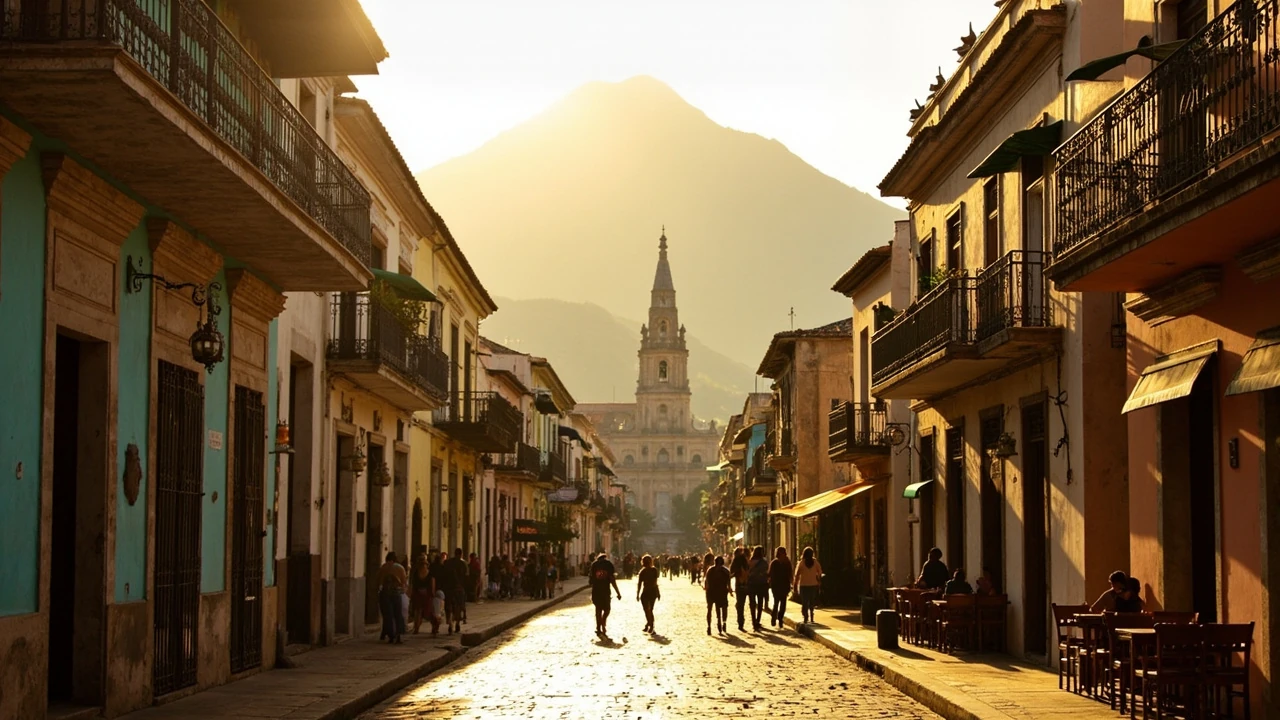
Caracas is more than a transit point. The city contains major museums, arts institutions, restaurants, markets, parks, and neighborhoods shaped by both modern urban life and the region’s complex history. It rewards travelers who spend enough time to explore a manageable area rather than trying to cover the city in a checklist race.
Think about what you want from the city. Museums and cultural institutions can provide an indoor introduction to Venezuelan history, architecture, and art. Food-focused travelers can use the capital as a place to sample regional cooking and meet local restaurants. Parks and viewpoints offer a different perspective from the traffic and intensity of the streets.
A short Caracas stay is most useful when it supports the rest of your trip. Keep the first day light after arriving, especially if you are moving from a long international flight. Confirm airport transfers in advance, use accommodation-arranged or otherwise reputable transportation, and avoid assuming that the route from one neighborhood to another is interchangeable in terms of time, traffic, or local conditions.
For broader planning ideas, the site’s honest guide to whether it is safe to travel to Morocco right now illustrates a useful approach to safety research: compare current official advice with practical considerations such as transport, documentation, and itinerary flexibility. The same method applies in Venezuela, where conditions can vary by location and can change faster than a general destination description suggests.
Try not to treat Caracas as a place where every attraction can be reached spontaneously. Group nearby destinations by area, plan transport before leaving the hotel, and keep sightseeing blocks realistic. If a museum is important enough to anchor your visit, schedule it first and use only the surrounding neighborhoods that you have researched.
Entry requirements, transport, money, and health preparation
Entry rules for Venezuela are not something to determine from an outdated travel anecdote. Requirements can vary by passport, length of stay, purpose of visit, and the traveler’s nationality. Confirm the current rules with the relevant Venezuelan authority, the airline, and an official consular source before purchasing nonrefundable tickets. Also verify whether you need an onward ticket, a specific form, proof of accommodation, or additional funds.
Your passport should meet the airline’s and destination’s validity requirements with a comfortable buffer. Carry printed copies of essential documents, store digital copies securely, and keep them separate from your everyday papers. Before leaving the United States, register with the appropriate official travel-registration service if eligible, and give a trusted person a copy of your itinerary.
For getting around, the best transport choice depends on the route:
- International arrival: Arrange a legitimate airport transfer through your lodging or a reputable operator rather than accepting an unverified ride at the curb.
- Major domestic flights: Compare the full door-to-door travel time, not just the advertised flight duration. Airport procedures and connections can consume much of the day.
- Remote destinations: Use the park or resort’s established transport system where possible. Confirm whether the quoted price includes pickup, waiting time, meals, and internal transfers.
- Road travel: Consider a local driver for unfamiliar or high-altitude routes rather than navigating a complex journey with limited road information.
- Public transportation: It can be useful where it is appropriate, but it is not a universal solution for remote sightseeing or late-night returns.
Cash is widely relevant in practical planning. Carry an emergency reserve in small denominations and keep it separate from your payment card. Ask your accommodation which currencies it accepts, whether it can provide a receipt, and how it handles deposits. Avoid exchanging money through informal street-based operations or handing over large amounts of cash in public.
Health preparation should begin before travel. Review current guidance from a travel-medicine professional and official health authorities, especially regarding routine vaccines, food and water safety, mosquito-borne illness, and the medical services available at your destinations. Remote destinations may have limited evacuation options, which makes insurance and emergency planning especially important.
| Booking item | What to verify | Why it matters |
|---|---|---|
| Passport and entry rules | Validity, nationality-based requirements, forms, and onward-travel evidence | Rules can change and airlines may refuse boarding without correct documentation |
| International flights | Connection time, baggage limits, and arrival airport | A short connection can become a major source of stress |
| Domestic transport | Reservations, baggage, cancellations, and transfer times | Not every domestic route is a daily service |
| Lodging | Location, meal inclusions, payment method, and transfer assistance | The property may be the safest and most practical base |
| Travel insurance | Coverage for medical evacuation, trip interruption, and activities | Remote travel can make evacuation unusually expensive |
| Emergency contacts | Local provider, insurer, embassy or consulate, and a trusted contact at home | Information should be available when roaming data or service is limited |
A practical packing list includes a secure day bag, offline maps, copies of documents, rain protection, sun protection, insect repellent, personal medications, and a power bank. Choose clothes for both heat and cool evenings. In mountain locations, add a warm layer; in the desert, protect cameras and electronics from dust; and on boats, keep essentials inside a dry bag.
Safety planning for a changing situation
Safety planning is central to any responsible Venezuela itinerary. Before booking, check the latest U.S. Department of State travel advisory and U.S. embassy or consular information for Venezuela. These are the most important sources for current official guidance because they can be updated as situations change. If the applicable advisory is Level 4, official U.S. guidance is “do not travel.” If your nationality has different official advice, follow that advice as well.
Do not rely on an old forum post, a general destination guide, or an itinerary created months earlier to describe current conditions. Ask specific questions of the operator or accommodation: Which route will you use? Is the road open? What happens if it rains? Can the activity be changed or canceled? What emergency procedure is in place? Questions about contingency planning can be as revealing as questions about the main attraction.
Use practical habits that reduce avoidable risk:
- Stay in verified accommodation: Choose a property with current reviews, functioning security procedures, and staff able to arrange transportation.
- Arrange movement in daylight: Avoid unplanned late-night transfers, especially after alcohol or when a location is unfamiliar.
- Keep valuables discreet: Phones and jewelry should not be displayed in crowded transport areas or at roadside stops.
- Use trusted local guidance: A reputable driver or guide is more useful than an improvised shortcut offered at the last moment.
- Carry communication backups: Keep offline maps, a charged local number, emergency contacts, and a way to communicate with your insurer.
- Respect official warnings: Avoid locations or routes specifically identified in current guidance, even if a visitor has previously visited safely.
- Share your plan: Leave your lodging’s address and expected return time with someone at home.
- Do not display wealth: Keep schedules and accommodation details private, including on social media.
Street crime, vehicle theft, limited emergency infrastructure, and gaps in consular support have been recurring concerns in parts of Venezuela. The exact risk varies by location and circumstances, so present-day advice should guide the final decision. Familiarity with a neighborhood does not remove the need for caution, particularly when moving between cities.
For a broader model of building an itinerary around verified entry information, realistic costs, and transport planning, the site’s Tanzania travel guide for safaris, costs, and entry rules offers a useful comparison. The country is different, but the discipline is transferable: confirm requirements, understand the total cost, and protect enough schedule margin for a long transfer day.
Legal and ethical conduct also matter. Use licensed providers, carry the required identification, respect protected areas, and follow local guidance about photography, conservation, and community spaces. Do not treat sensitive locations, military sites, or restricted infrastructure as attractions.
How to build a realistic Venezuela itinerary
A strong itinerary uses travel time as a planning unit rather than an inconvenience to hide. A domestic flight may look short on a map, but airport transfers, check-in, weather, and ground transportation can consume most of a day. This is why experienced travelers often reduce the number of bases and give each destination enough time to be worthwhile.
The sample combinations below are frameworks, not fixed schedules. Flight schedules, park stays, entry requirements, and operating conditions can change, so treat them as a way to compare priorities.
| Trip length | Suggested structure | Reason it works | What to protect |
|---|---|---|---|
| 4–5 days | Caracas or a nearby coastal stop, plus one regional experience | Keeps transfers manageable | At least one flexible day for delays |
| 7–9 days | Canaima for several days, then Caracas or the central coast | Allows a remote highlight without repeatedly packing | Do not place a critical flight immediately after a park excursion |
| 10–12 days | Canaima, the Caribbean coast, and Caracas | Combines wilderness, beaches, and urban culture | Use flights for major regional changes |
| Two weeks | Canaima, Mérida, a coastal stop, and Caracas | Adds the Andes without reducing time at the main destinations | Build an extra buffer between weather-sensitive activities |
| Three weeks or more | A longer stay in one remote area plus two contrasting regions | Reduces the stress of constant checking out | Prioritize a small number of high-quality experiences |
For the seven-day version, the balance can look like this:
- Day 1: Arrive in Caracas, transfer to your accommodation, and keep the schedule light.
- Day 2: Explore a focused area of the capital with a local guide or reputable operator.
- Day 3: Fly toward the Canaima region and settle into the park base.
- Day 4: Take the main landscape excursion, allowing for weather and visibility changes.
- Day 5: Use a second day for a boat trip, waterfall visit, or cultural experience around the region.
- Day 6: Return to a gateway and continue to a coastal location or the capital.
- Day 7: Use a relaxed local excursion before your departure flight.
This structure is deliberately conservative. It avoids the common mistake of booking an international departure only hours after a remote excursion, leaving no margin for a delayed charter flight, heavy rain, or a road transfer. It also gives the major destinations enough time to justify their environmental cost.
Before finalizing the booking, ask each provider to confirm the current logistics in writing: pickup location, estimated duration, included equipment, cancellation terms, weather policy, and communication method. A well-organized trip is not one without uncertainty; it is one where uncertainty has a workable response.
Frequently asked questions
What are the best Venezuela places to visit for a first trip?
For a first trip, Canaima National Park and Angel Falls offer the strongest combination of scenery and distinctiveness. Add Caracas for culture and food, or choose a Caribbean coastal stay if relaxing by the water is a higher priority. The best choice depends on the length of your stay and your tolerance for remote transfers.
How many days should I spend in Canaima National Park?
Three or more days provide a better experience than a rushed day visit because weather, cloud cover, river conditions, and activity schedules can affect what you see. A longer stay also reduces pressure to move immediately after a long journey. Plan the number of nights according to your available time rather than trying to compress every excursion into a single day.
Is Venezuela safe for U.S. travelers?
Travel decisions must be based on current official guidance. Check the latest U.S. Department of State travel advisory and consular information immediately before booking and again close to departure. If the advisory is Level 4, official U.S. guidance is “do not travel.” Individual circumstances also matter, and visitors should use reputable transport, verified accommodation, and realistic itineraries.
Do I need a visa to visit Venezuela?
Entry rules depend on your nationality and can change. Verify the requirements for your passport with the relevant Venezuelan authority, your airline, and an official consular source. Do not rely on a visa summary written before your travel date. Check document validity, required forms, onward travel, and any financial evidence requirements before purchasing tickets.
What is the best time to visit Angel Falls?
Seasonal weather and cloud cover strongly affect visibility, so no month guarantees a clear view. Research the region’s recent conditions and keep the itinerary flexible. A dedicated day with little onward scheduling gives you a better chance than attaching the excursion to the same day as a confirmed international flight.
Should I visit Los Roques or Morrocoy?
Choose Los Roques for island-based scenery, boating, seafood, and a broader selection of visitor services. Choose Morrocoy for mangroves, protected coastal landscapes, boatbuilding heritage, and a quieter relationship with the central coast. Confirm current transport and accommodation options before booking either as a remote destination.
Is Mérida suitable for travelers who do not hike?
Yes. Mérida can be enjoyed through its restaurants, cafés, museums, cable car, parks, and surrounding mountain scenery. Hiking and Pico Espejo are optional additions rather than requirements. Travelers with mobility concerns should confirm current transport and trail conditions with the operator before setting out.
Can I travel around Venezuela by road?
Road travel is possible, but it should not be treated as a simple or universally convenient alternative to flying. Distances are long, conditions vary, and public transportation is not uniformly convenient for visitors. A professional local driver can be useful for selected routes, while flights are generally more time-efficient for connecting distant regions.
How much cash should I bring to Venezuela?
Prepare a modest emergency reserve rather than carrying all spending money in cash. Confirm accepted payment methods with your accommodation and each operator. Keep money in smaller denominations, separate it from your documents, and avoid informal exchange practices. The practical amount depends on your itinerary, connectivity, and available banking or card services.
What should I do if conditions change while I am traveling?
Prioritize official instructions from consular authorities and the providers responsible for your transport or activity. Keep copies of your itinerary, emergency contacts, and insurance information accessible offline. If you need assistance, contact the relevant embassy or consulate and your travel insurer. Do not rely on memory when phone service or internet access is unreliable.

Leave a Reply